

Have you ever wondered about the legends of Halloween and how so many of the traditions we know today came to be?
Halloween has changed a lot over the centuries. What we now know as a night of costumes, candy, pumpkins, spooky movies, and family fun grew from a mixture of old seasonal traditions, folklore, Christian observances, immigration, and good old-fashioned storytelling.
I have always loved learning where traditions come from.
Halloween is especially interesting because the history behind it is not one simple story.
Some customs can be traced back hundreds or even thousands of years, while others are much newer than we might think.
So grab a cup of coffee or maybe some apple cider and come explore a few of my favorite Halloween legends with me.
Where Did Halloween Begin?
Many discussions about Halloween begin with Samhain, an ancient Celtic seasonal festival associated with the end of the harvest and the beginning of the darker half of the year.
Samhain was observed around the transition from October 31 to November 1.
Folklore surrounding the festival included the belief that the boundary between the human world and the supernatural world became easier to cross during this time.
Bonfires, food offerings, disguises, and seasonal gatherings all became part of stories connected with Samhain.
Historians also caution against treating modern Halloween as simply Samhain with a new name.
Halloween developed over many centuries as older customs mixed with later Christian observances such as All Saints' Day and All Souls' Day.
The name Halloween itself comes from All Hallows' Eve the evening before All Saints' Day.
That long, layered history is part of what makes the legends of Halloween so fascinating.
There is rarely just one neat explanation.
How Trick-or-Treating Became a Halloween Tradition
Modern trick-or-treating did not appear all at once.
One tradition often connected to it is medieval "souling."
People in need would visit homes and receive food, including small cakes, in exchange for prayers for deceased family members.
Another influence came from "guising" in Scotland and Ireland.
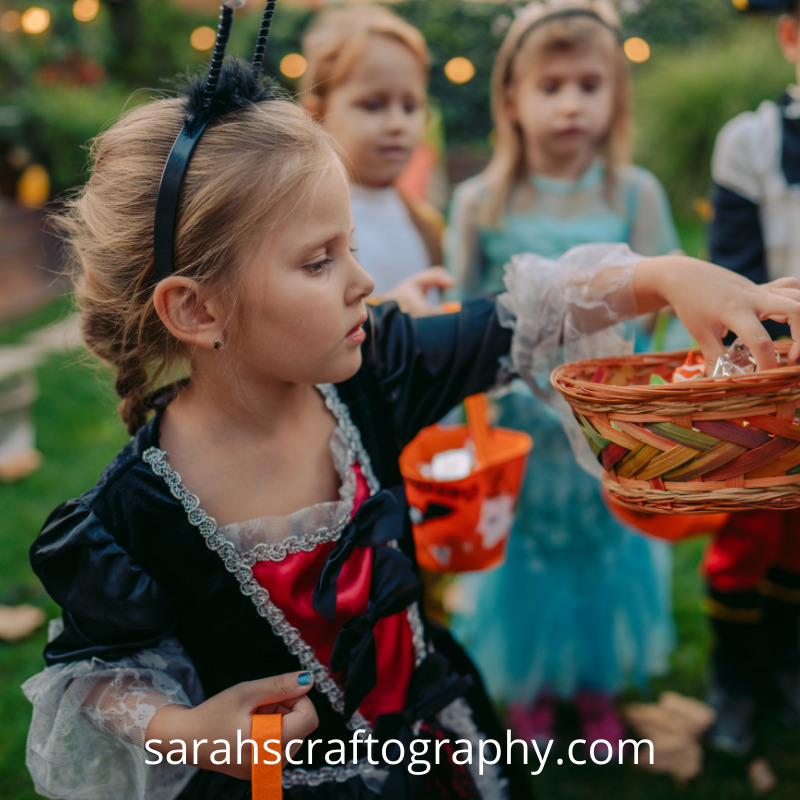
Costumed visitors went from house to house and might sing, tell a joke, recite something, or perform a small trick in exchange for food, coins, or other treats.
Irish and Scottish immigrants brought Halloween customs with them to North America during the 19th century.
By the early 20th century, Halloween pranks had also become common in the United States.
Communities gradually encouraged more organized celebrations for children, and trick-or-treating became especially popular after World War II.
That means the little superheroes, princesses, dinosaurs, and ghosts knocking on our doors today are part of a tradition that took centuries to become what we recognize.
Halloween Costumes, Candy, and My Own Family Memories
History is interesting, but Halloween traditions also become special because of the memories we make with them.
I still remember dressing up as a bum one year, complete with tattered clothes and a smudged face.
Another year, I transformed into a giant M&M.
The costume itself was only part of the fun.
My family would get ready together and head outside into the cool autumn air.
Leaves crunched under our feet while we went from house to house collecting treats.
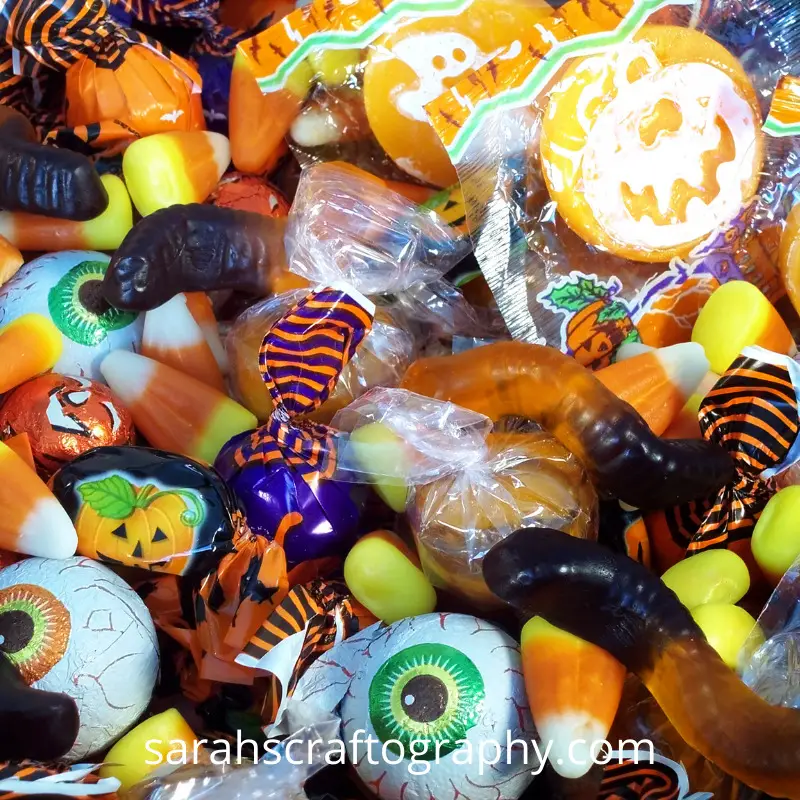
Afterward, we would come home and dump out our candy bags.
Mom and Dad checked everything before we started sorting through our favorites.
Those are the parts of Halloween I remember most the laughter, anticipation, costumes, candy, and being together.
As a mom, I also know that Halloween does not feel fun for every child in exactly the same way.
If costumes, crowds, noises, or unexpected changes are difficult for someone in your family, my sensory-friendly Halloween ideas offer gentler ways to enjoy the season.
Why Do We Carve Jack-O'-Lanterns?
Jack-o'-lanterns are one of my favorite examples of an old legend changing as people carried it to a new place.
Before pumpkins became the star of American porches, people in Ireland and Britain carved root vegetables such as turnips.
One popular Irish folktale tells of a troublesome figure known as Stingy Jack, who tricked the Devil and was eventually left to wander with only a glowing coal for light.
According to the legend, Jack placed the coal inside a carved turnip to make a lantern.
When Irish immigrants came to America, pumpkins were plentiful and much easier to carve than turnips.
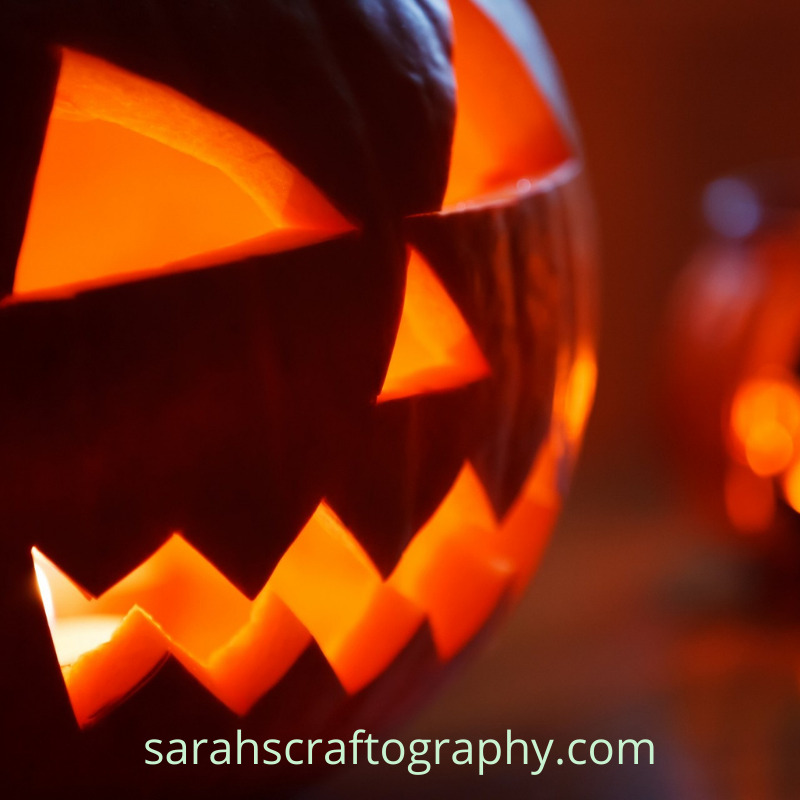
Over time, the glowing pumpkin became one of the most recognizable symbols of Halloween.
I am thankful for the pumpkin upgrade, because carving a turnip sounds like considerably more work for considerably less porch decoration. 😂
How Witches Became Part of Halloween
Witches have a much more complicated history than the pointy hats and bubbling cauldrons we see in Halloween decorations.
Beliefs about witchcraft existed in different cultures long before modern Halloween.
In Europe and colonial America, fear of witchcraft sometimes led to accusations, trials, imprisonment, and executions.
The Salem witch trials are one well-known American example, but they were not the beginning of beliefs about witches, nor were people accused simply because they were educated women or practiced medicine.
The history involved religious beliefs, social tensions, superstition, local conflict, and fear.
Over time, folklore, books, plays, movies, and Halloween imagery helped create the familiar fictional witch: black clothing, pointed hat, broomstick, cauldron, and sometimes a black cat nearby.
Today that character can be scary, funny, glamorous, or downright adorable depending on the costume.
Why Are Black Cats Associated With Halloween?
Black cats have been tangled up in superstition for centuries.
In European folklore, cats were sometimes connected with witchcraft.
Stories claimed that witches could keep animal companions called familiars, and later folklore sometimes suggested that a witch could even take the form of a cat.
Those beliefs helped connect black cats with bad luck, darkness, witches, and eventually Halloween imagery.
Of course, folklore is not reality. A black cat is just a cat and I have personally loved my own black kitties.
They have been loving, friendly companions rather than tiny agents of Halloween doom.
That is one legend I am very happy to leave in the folklore category.
What About the Halloween Candy Scares?
For generations, parents have heard frightening warnings about strangers hiding poison, razor blades, or other dangerous objects in Halloween candy.
Those stories became especially powerful in the 20th century and changed the way many families approached trick-or-treating.
Individually wrapped commercial candy became the expected treat, while homemade goodies from unfamiliar homes largely disappeared.
Real crimes involving Halloween treats have occurred, but the popular image of unknown strangers routinely poisoning random children's candy has not matched the evidence behind the legend.
That does not mean parents should ignore ordinary food-safety concerns, allergies, damaged packaging, or choking hazards. It simply means there is a difference between reasonable safety and a scary story repeated so often that it starts sounding like fact.
Halloween Legends Keep Changing
Ghosts, witches, black cats, jack-o'-lanterns, monsters, and haunted houses did not all join Halloween at the same moment.
Our modern celebration is more like a scrapbook.
Different generations and cultures added traditions, stories, symbols, foods, and entertainment until Halloween became the holiday we recognize today.
Even now, families continue changing it.
Some children love a dark haunted house.
Others would rather decorate pumpkins, attend a church fall festival, watch a not-too-spooky movie, or simply hand out candy at home.
Children who communicate differently can participate too.
My post about Halloween AAC boards shares ways to make trick-or-treating and seasonal activities more accessible for AAC users.
And if your idea of celebrating involves curling up after the kids are settled and watching something spooky, I also have a list of Halloween horror movies.
Enjoying Halloween Through Faith and Family
Families of faith do not all make the same choices about Halloween, and I think there is room to be thoughtful about what we bring into our own homes.
For me, learning the history behind a tradition does not mean I have to adopt every belief connected to its past.
I can separate folklore from faith and choose the parts of the season that create good memories with my family.
Philippians 4:8 reminds us to think about what is true, noble, right, pure, lovely, admirable, excellent, and praiseworthy.
That gives me a much better guide for our home than fear does.
Maybe your family enjoys costumes and candy.
Maybe you prefer pumpkins, crafts, a fall festival, a bonfire, or apple cider.
The celebration can look different from one household to another.
Which Legends of Halloween Do You Love?
The legends of Halloween show just how much a holiday can change as stories travel from one generation to the next.
Some traditions have ancient roots.
Others are surprisingly modern.
A few of the scariest stories turned out to be more legend than fact.
That is part of the fun of digging into history.
Now I want to hear from you.
Which Halloween tradition does your family look forward to every year?
Share it in the comments, and send this post to someone who loves discovering the stories behind the season.
Happy Halloween!
Leave a Reply