Sarahs Craftography

Just another day in the life of Sarah

  • A Little More About Me
  • Family & Parenting
  • Autism
  • Healing & Hope
  • Create & Enjoy
  • Shop
  • Home
Home » Sarah's Life » Family Life

Sensory-Friendly Halloween Ideas Kids Will Love

by Sarah Stults Leave a Comment

Halloween sensory craft ideas for kids, safe and fun for children to enjoy.

Have you been looking for sensory-friendly Halloween ideas kids will love without forcing them through a night that feels too loud, itchy, crowded, or overwhelming?

Halloween can be exciting, but it can also ask a lot from a child all at once.

Costumes feel different.

Doorbells ring.

Decorations move without warning.

People wear masks. Streets get crowded, routines change, and everyone seems to expect children to know exactly what to do.

In our family, I have learned that a successful Halloween is not measured by how many houses we visit or how full the candy bucket gets.

It is measured by whether my kids felt safe enough to enjoy themselves.

That may mean a soft costume instead of an elaborate one, an early trick-or-treat walk, headphones in the bag, a quiet break in the van, or skipping an activity altogether.

Sensory-friendly does not mean taking the fun away.

It means making room for a child to enjoy the fun in a way that works for them.

Sensory-friendly Halloween ideas for autistic children and families

When Halloween Feels Like Too Much

Halloween has never been as simple as buying costumes and heading out the door with my kids.

For Trinity, costumes were not always exciting.

Some scared her, and tight or uncomfortable textures could make her feel trapped.

Alivia’s needs are different.

She does not like masks or heavy makeup, but she has loved blow-up costumes and simple combinations that let her participate without feeling weighed down.

We have done things like a black sweat outfit with butterfly wings, glitter spray in her hair, or a simple pair of cat, dog, or fox ears with a small tail.

Those little touches still feel festive without turning the costume into something she has to endure.

Sensory needs can show up in other parts of Halloween too.

Flashing lights, motion-activated decorations, fog machines, crowded sidewalks, unfamiliar smells, sudden screams, and people bumping into one another can turn a fun evening into sensory overload very quickly.

Sensory accommodations such as comfortable clothing, headphones, visual supports, quieter spaces, and avoiding crowds can make community activities more accessible. What helps will be different from child to child, so I pay attention to the sensory input my kids seek, avoid, or recover from slowly.

If your child reaches their limit, leaving is not a ruined Halloween.

Sometimes leaving at the right time is exactly what protects the good memories you already made.

Start With a Halloween Plan Your Child Can Understand

Predictability can make a big difference.

Before Halloween, talk through what is going to happen in a way your child understands.

That might be spoken conversation, pictures, a visual schedule, a calendar, a short practice walk, or a personalized teaching story.

You can practice putting on the costume before Halloween instead of discovering an itchy seam five minutes before leaving.

Walk through knocking on a familiar door.

Show your child the trick-or-treat bucket.

Talk about masks and decorations they may see.

Most importantly, tell them what the exit plan looks like. Knowing, “We can go back to the car when you need a break,” can be just as important as knowing where you are going.

If your child benefits from more preparation, pictures or a short personalized story can show where you are going, who may be there, what trick-or-treating looks like, and how the night will end. I go deeper into that kind of planning in Preparing an Autistic Child for Halloween.

Comfy Halloween Costumes Come First

The costume may be the star of Halloween for some kids, but comfort gets the starring role in our house.

Trinity taught me this early.

Soft cotton and fuzzy outfits worked much better than tight, scratchy costumes.

One year she surprised me by wanting to be a zombie.

Instead of using a mask or covering her face in heavy makeup, I tore up an old dress, rubbed it in the dirt, and used a little eyeliner, lipstick “blood,” and dark shading.

She got the spooky zombie look she wanted without having to tolerate a costume that made her miserable.

Alivia has her own preferences.

Sometimes she likes a blow-up costume.

Other times something as simple as sweats, wings, ears, or a little glitter works better.

Try the costume at home before the big night. Remove tags.

Add soft clothes underneath when that helps.

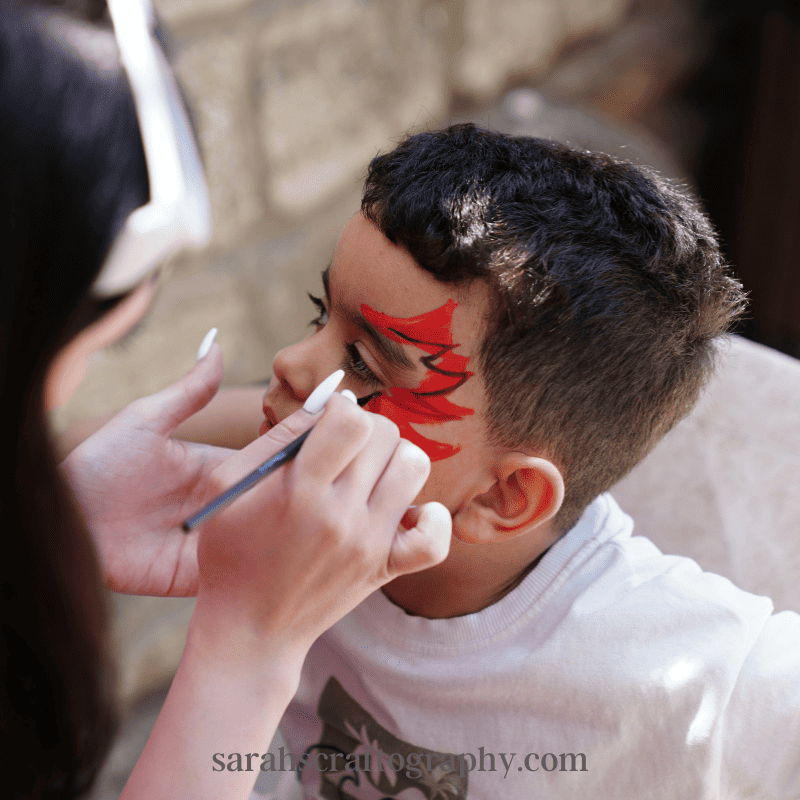
Skip masks or face paint if they bother your child.

Bring a backup option that fits in your bag.

A pair of ears or a favorite Halloween shirt can save the night when the original costume suddenly becomes too much.

And remember: a child does not have to wear a costume at all to participate in Halloween.

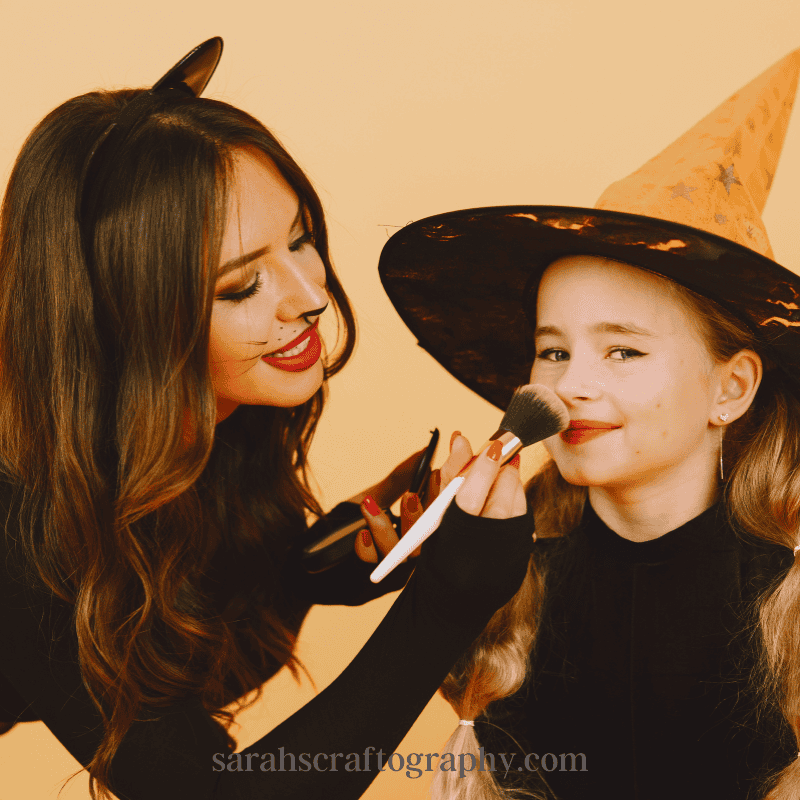
Children enjoying comfortable sensory-friendly Halloween costumes

Sensory-Friendly Halloween Fun at Home

Some of our favorite Halloween memories did not happen while trick-or-treating.

We have made sensory bins with rice dyed black, orange, green, and purple, then added tiny pumpkins and Halloween trinkets.

Slime, kinetic sand, or a simple treasure hunt can be fun too, as long as the texture is one your child actually enjoys.

Pumpkin guts are definitely not a favorite in my house.

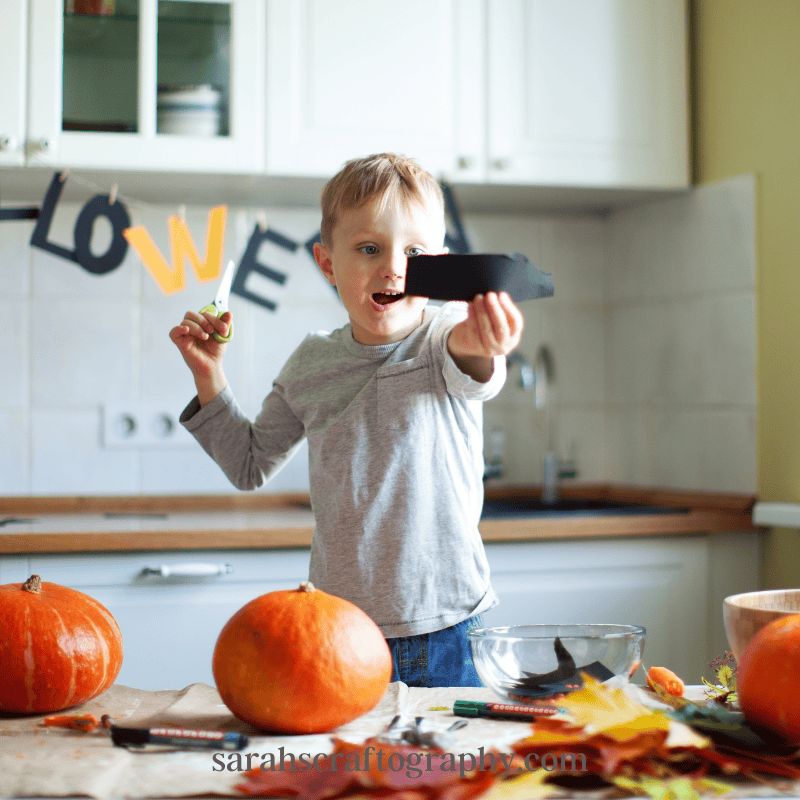
Instead of insisting on carving, we paint and decorate pumpkins.

Stickers, washable paint, markers, craft supplies, or push-in decorations can give kids the pumpkin experience without requiring them to scoop out a texture they cannot stand. I have more alternatives in my autism-friendly pumpkin carving post.

We have also bobbed for apples, played sensory guessing games, gone on flashlight scavenger hunts, and once turned our garage into our own Halloween party with softer lights, music, a little dance floor, and door prizes.

The kids still remember it.

Halloween does not have to look traditional to become a tradition.

Trick-or-Treating Without the Pressure

If we go trick-or-treating, I try to make the experience fit my kids instead of expecting my kids to fit the experience.

Starting earlier can mean smaller crowds and less noise.

Familiar neighborhoods, friendly cul-de-sacs, smaller trunk-or-treats, church events, and library programs can also feel more manageable than a huge community event.

I bring the things we may need: headphones, a sensory item, real snacks, and a backup costume piece.

I also watch for the point where excited energy starts turning into exhaustion.

Sometimes I will say, “Two more houses, and then we’re heading to the van.”

A clear ending can make the transition easier.

Afterward, we may drive around and look at decorations from the safety of the vehicle.

That gives everyone time to come down from the excitement before heading home.

What I Pack for a Sensory-Friendly Halloween

  • Headphones or another familiar sensory support
  • A communication device, AAC board, or other communication tool if my child uses one
  • A familiar snack and drink
  • A small sensory or comfort item
  • A simple backup costume piece, such as ears or a Halloween shirt
  • Anything we need to stay visible and safe after dark

I do not pack every sensory tool I own. I bring the things my kids actually use, because a smaller bag is a lot easier to manage while trick-or-treating.

Your Child Does Not Have to Say “Trick or Treat”

This is one Halloween expectation I would love to see more adults understand.

Not every child can say “trick or treat.” Some communicate with AAC.

Some use gestures, signs, pictures, or a communication card.

Others may be able to speak but freeze when an unfamiliar adult opens the door.

A child may also be using every bit of their energy simply to stand on that porch.

They still deserve kindness and a piece of candy.

Eye contact should not be the price of participation either.

Neither should saying “thank you” on command, tolerating a scary decoration, or explaining a disability to a stranger.

If your child uses AAC or would benefit from a visual communication option, I put together a separate resource about Halloween AAC boards and giving kids a way to communicate during Halloween.

For the adults answering the door, a little patience goes a long way.

Give the child time. Accept the communication they offer.

Let Halloween be about welcoming the kid standing in front of you rather than testing whether they perform the tradition correctly.

Create a Safe Signal and a Quiet Escape

At home, my kids know they can retreat to their rooms when they need a break.

When we are out, having a simple signal can help them tell me they are reaching their limit before everything becomes too much.

Alivia uses the phrase “thunder popcorn” when she feels like she is losing control.

It sounds silly to someone who does not know what it means, but for us it is powerful communication.

I know what she is telling me, and we can respond.

Your family’s signal might be a phrase, a hand sign, a picture on an AAC device, pointing to a break card, or simply handing you a particular object.

Whatever it is, honor it.

A signal only feels safe when a child learns that the adults around them will listen to it.

A Few Halloween Safety Adjustments

Planning for sensory needs and planning for physical safety can work together.

I like to know our route before we leave and avoid houses with decorations I already know will be too much.

Glow wands work well for my kids because they enjoy holding them more than wearing glowing necklaces or bracelets.

Other children may prefer reflective patches or light-up shoes.

It can also help to take a current photo of your child in their costume before leaving, make sure they have identification or contact information appropriate for their needs, and choose a meeting spot if you are attending a larger event.

The details will depend on your child, but thinking about visibility, identification, communication, and what you would do if you became separated can make the outing safer without making the night feel scary.

Sensory-friendly Halloween celebration with children and pumpkins

There Is No One Right Way to Do Halloween

Your child does not have to wear a costume.

They do not have to trick-or-treat.

They do not have to stay until an event ends, pose for every picture, touch pumpkin guts, walk through a haunted house, speak to strangers, or enjoy something simply because other children do.

One child may love the lights and hate the costume.

Another may happily wear an elaborate costume but need headphones outside.

Someone else may want to hand out candy from home instead of walking door to door.

All of those Halloweens count.

When I stopped measuring the night against what Halloween was “supposed” to look like, it became much easier to notice what my kids actually enjoyed.

Making Halloween About Joy, Not Perfection

As a mom, I want my children to know they do not have to perform for other people to belong.

I believe God created each of us with worth that does not depend on how well we fit somebody else’s expectations.

That changes the way I look at celebrations too.

Sometimes loving our children well means changing the plan, leaving early, choosing the quieter event, or celebrating at home.

If you are also curious about where some of the holiday’s familiar traditions came from, you can read my newly updated post about the legends of Halloween.

This Halloween, pay attention to the moments when your child relaxes, laughs, explores, communicates, or simply feels safe enough to be themselves.

Those are the memories worth keeping.

What sensory-friendly Halloween tradition works best for your family?

Share it in the comments.

Your idea may be exactly what another parent needs this year.

Filed Under: Family Life, Halloween, Life With Kids, Seasonal

Preparing an Autistic Child for Halloween

by Sarah Stults Leave a Comment

Preparing an autistic child for Halloween with a predictable and flexible plan

How do you prepare an autistic child for Halloween when the costumes, decorations, crowds, and changes can make an exciting night feel like a lot all at once?

Halloween looks very different in our house now than it did when my oldest daughter, Trinity, was little.

Back then, our Halloween nights could be chaotic.

We did not really have a set plan, and I did not know nearly as much as I know now about helping my children prepare for transitions, sensory needs, and all the unexpected pieces that can come with a holiday.

I learned a lot while raising Trinity.

Later, I was able to carry those lessons with me as I parented Alivia and Darnell.

Moving to the Cincinnati area also made a difference for our family because, in our experience, we found more autism-focused resources and understanding than we had where we lived before.

These days, we usually do the same basic thing every Halloween.

That familiarity means there is much less preparation involved than there used to be.

Still, the things I learned during those earlier years continue to shape how I prepare my kids for Halloween today.

So grab the candy bucket, check the costume for scratchy tags one more time, and let’s get ready for Halloween. 🎃

Preparing an autistic child for Halloween with a predictable and flexible plan

Preparing an Autistic Child for Halloween Starts Before Halloween Night

One of the biggest things I have learned is that preparation does not have to be complicated.

Sometimes it is simply talking about what is going to happen before it happens.

We talk ahead of time about Halloween, make our plans, and choose costumes early enough that we can figure out whether they are actually going to work.

That predictability can be helpful because some autistic people find changes in routine and unexpected events difficult, while visual schedules and other supports can make upcoming events easier to understand.

Planning ahead can make an unfamiliar event easier to understand. Visual schedules, pictures, and other visual prompts can help with routines, transitions, choices, and knowing what comes next.

The important words there are for some.

Autistic children are not all going to need the same amount or type of preparation.

Even within my own family, what helps one child may not be what another child needs.

Using visual supports to prepare an autistic child for Halloween

First/Then Cards Helped Us Break Halloween Into Smaller Steps

When Alivia was younger, we used First/Then cards a lot.

Halloween was not presented as one giant event that she simply had to get through.

We could break the evening down step by step.

  • First dinner, then costume.
  • After dinner, we put on the costume.
  • Next comes getting into the car and driving.
  • Once we arrive, it is time to trick-or-treat.

Those little pieces made a big evening easier to understand.

Visual supports can show a sequence of events, upcoming transitions, routines, or expectations. They can be as simple as pictures showing dinner, costume, car, trick-or-treating, and home.

I do not need to use those supports with Alivia for Halloween the way I once did.

That is another thing parents sometimes need permission to hear: a support can be incredibly useful during one season of your child’s life without needing to be used forever.

A familiar Halloween routine can help autistic children know what comes next

Our Halloween Routine Became Part of the Preparation

Now we tend to follow the same general Halloween routine every year.

There is less explaining because the kids already have a pretty good idea of what comes next.

That did not happen overnight.

We built that familiarity by doing it over and over.

When the kids were younger, I thought preparation meant I needed to anticipate every possible problem.

These days, I see routine differently.

I do not need to predict every detail if the kids have enough familiar pieces around the unfamiliar ones.

We also keep Halloween day a little lighter when we can, while keeping the main parts of our normal routine in place.

I am not trying to turn the entire day upside down in preparation for an evening that is already different.

Trying on a Halloween costume early to check sensory comfort

Please Try the Costume Before Halloween

I could probably open a small costume shop with the number of costumes my children have refused to wear over the years. 😂

We have had costumes that looked adorable and sounded like a great idea right up until somebody actually had to wear them.

Then it was too itchy.

Maybe another one was too hot.

A different costume might feel too tight.

Sometimes the fabric simply felt wrong.

That taught me that liking a costume and being comfortable wearing that costume are two completely different things.

Sensory differences can include sensitivity to touch, textures, sounds, lights, and other input, and comfortable clothing can be an important accommodation for some autistic people.

Trying the costume ahead of time gives us a chance to notice those sensory problems before Halloween night.

So we plan costumes ahead and make sure everything is comfortable. If carving pumpkins is part of your family’s tradition too, I also have some autism-friendly pumpkin carving ideas for making that activity more flexible.

I would much rather discover the problem in our living room than after we have left the house.

Choosing a comfortable Halloween costume for an autistic child

If the Costume Comes Off, the Costume Comes Off

This may be one of the biggest differences between younger-mom me and the mom I am now.

If a costume fails halfway through Halloween, my kids can take it off.

That’s it.

I am not fighting through another costume.

I am also not carrying a million backup things when I already have enough to keep track of.

I might bring something simple like a Halloween headband, but I am not packing an emergency costume department in the car. 😂

If my child ends up trick-or-treating in regular clothes, Halloween is not ruined.

The costume was supposed to add to the fun.

Once it becomes the thing preventing the fun, I am perfectly happy to let it go.

Letting an autistic child remove an uncomfortable Halloween costume

Prepare for the Sensory Parts Without Assuming What Your Child Can Handle

Halloween can involve flashing decorations, masks, loud sounds, crowded sidewalks, unusual smells, people getting close, and houses that suddenly move or make noise.

Those things are fun for some children and overwhelming or frightening for others.

When my children were younger, masks, makeup, and faces that looked distorted could be especially difficult for them to process.

Noise can still affect them differently.

Darnell and Alivia are more sensitive to it, while Trinity can often put on headphones and keep going.

That is why I do not think preparing an autistic child for Halloween should mean creating one giant checklist and assuming every autistic child needs it.

Watch your child.

Prepare for the things that are hard for them.

If your child uses headphones, bring them.

A house that feels too scary can simply be skipped.

When crowds make communication or regulation harder, a smaller or more familiar place may work better.

Our family generally prefers familiar places and places where we have had good experiences before.

A Quick Halloween Prep Checklist

  • Talk through the plan before Halloween night.
  • Try the costume early and pay attention to comfort, not just appearance.
  • Bring communication supports, headphones, or other familiar tools your child already uses.
  • Choose a familiar route or smaller celebration if crowds are difficult.
  • Let your child skip decorations, houses, or activities that feel like too much.
  • Decide ahead of time that leaving early is okay.

The goal is not to prepare for every possible thing that could happen. It is to bring the supports that help your child feel understood and able to participate in their own way.

Preparing for sensory needs during Halloween trick-or-treating

Practice Can Create Predictability Without Demanding a Performance

We have practiced parts of Halloween with our kids before.

That can include what happens when you walk up to a house, what someone might say, where the candy goes, and what happens next.

The purpose is not to make my child perform Halloween correctly.

It is to make an unfamiliar situation a little more familiar.

That distinction matters to me.

My children have struggled with things like eye contact, unfamiliar people, social expectations, and saying the expected words at the expected moment.

Practice can help them know what might happen.

It does not mean I expect perfection when we get there.

If communication is part of your concern, I have also written about Halloween AAC boards and communication supports.

Practicing trick-or-treating without requiring an autistic child to perform

Have an Exit Plan Before You Need the Exit

I want my kids to know that leaving is an option.

We do not have to finish every street.

There is no rule saying we have to stay until a certain time.

A crowded house can be skipped.

Going back to the car is always an option.

When we have had enough, we can go home.

That flexibility is part of the preparation too.

I have learned that I would rather end Halloween while we still have some good memories from the night than push everybody past their limit because I had a picture in my head of how long trick-or-treating was supposed to last.

If you want more of the sensory side of that planning, my post on sensory-friendly Halloween ideas for kids goes deeper into ways families can adjust the celebration itself.

Planning an early exit when Halloween becomes overwhelming

Preparation Is Not a Guarantee That Everything Will Go Smoothly

This is probably the lesson I wish I had understood when Trinity was little.

You can prepare.

Practice can make the evening more familiar.

A comfortable costume can be ready and waiting.

The schedule can be planned out.

Headphones can be packed.

Even the familiar neighborhood can be chosen ahead of time.

And things can still fall apart.

Preparation is support, not a guarantee.

When my kids were younger, I did not always understand that.

If Halloween went badly, I could feel like I had done something wrong.

Sometimes I was hard on myself.

And looking back, I know there were times I was harder on Trinity than I needed to be because I was trying so hard to make things work.

Halloween preparation supports autistic children without guaranteeing a perfect night

What I Would Tell the Mom I Was Back Then

If I could go back and change one thing, it would not be the costume we bought or the route we took.

The biggest change I would make is how hard I was on myself and Trinity when things fell apart.

That younger version of me needed to hear that a hard Halloween did not mean I had failed.

Trinity had not failed either.

We were both learning.

I was learning my child.

At the same time, she was trying to navigate a world that I did not yet fully understand from her perspective.

Over the years, I learned more.

Better tools came with that experience.

Eventually, I learned to recognize when comfort mattered more than the costume and when going home mattered more than one more handful of candy.

Most importantly, I learned that when a plan falls apart, my relationship with my child matters more than saving the plan.

Flexible Halloween preparation that makes room for an autistic child’s needs

Preparing an Autistic Child for Halloween Is Really About Making Room for Them

Every autistic child is different.

Some children may want every decoration, every costume piece, and every house on the street.

Another child may enjoy Halloween best from the couch with a movie and a bowl of candy.

Plenty of kids will fall somewhere in between.

Preparing an autistic child for Halloween is not about teaching them to tolerate Halloween exactly the way everyone else celebrates it.

For our family, preparation means creating enough predictability to help our kids know what is coming while leaving enough flexibility to change the plan when they tell us they need something different.

And if the costume ends up in the stroller, somebody refuses the scary house, or we head home earlier than expected?

We can still call that Halloween.

I would love to hear what helps in your house if your family celebrates Halloween with an autistic child.

Share your experience in the comments because another parent may find the idea they needed in something your family has learned.

Did this post help you?

Please like it and share it with another parent who may need a little less pressure going into Halloween.

You can also subscribe to my email list for more real-life autism parenting, family life, and practical ideas from Sarah’s Craftography.

Sometimes becoming the change starts with something very small: letting our kids experience a tradition in the way that works for them. 🎃


Filed Under: Autism, Autism in Everyday Life, Family Life, Halloween, Parenting Autistic Children, Seasonal, Sensory Experiences

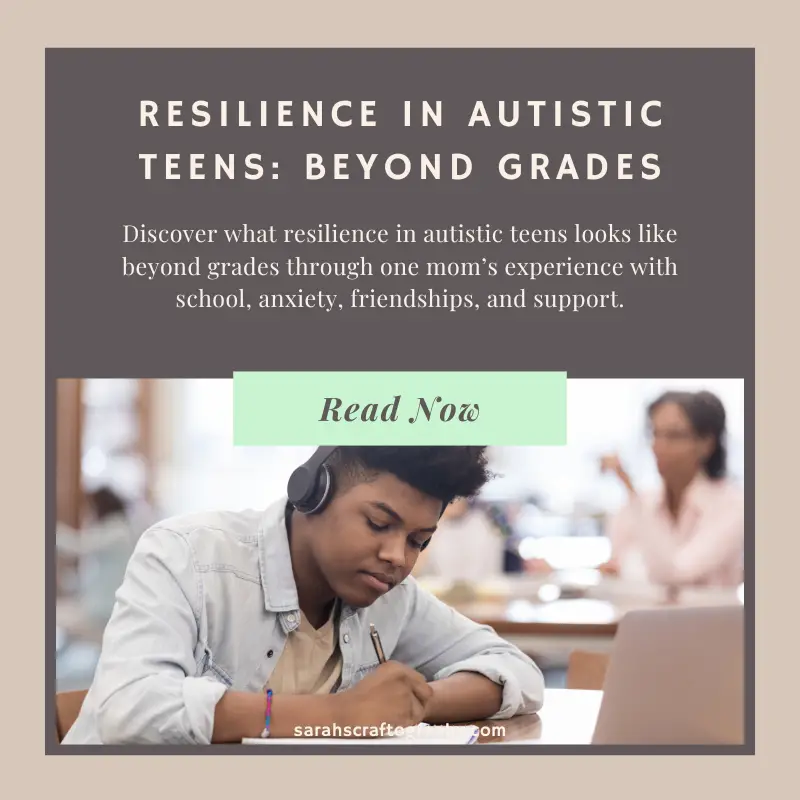
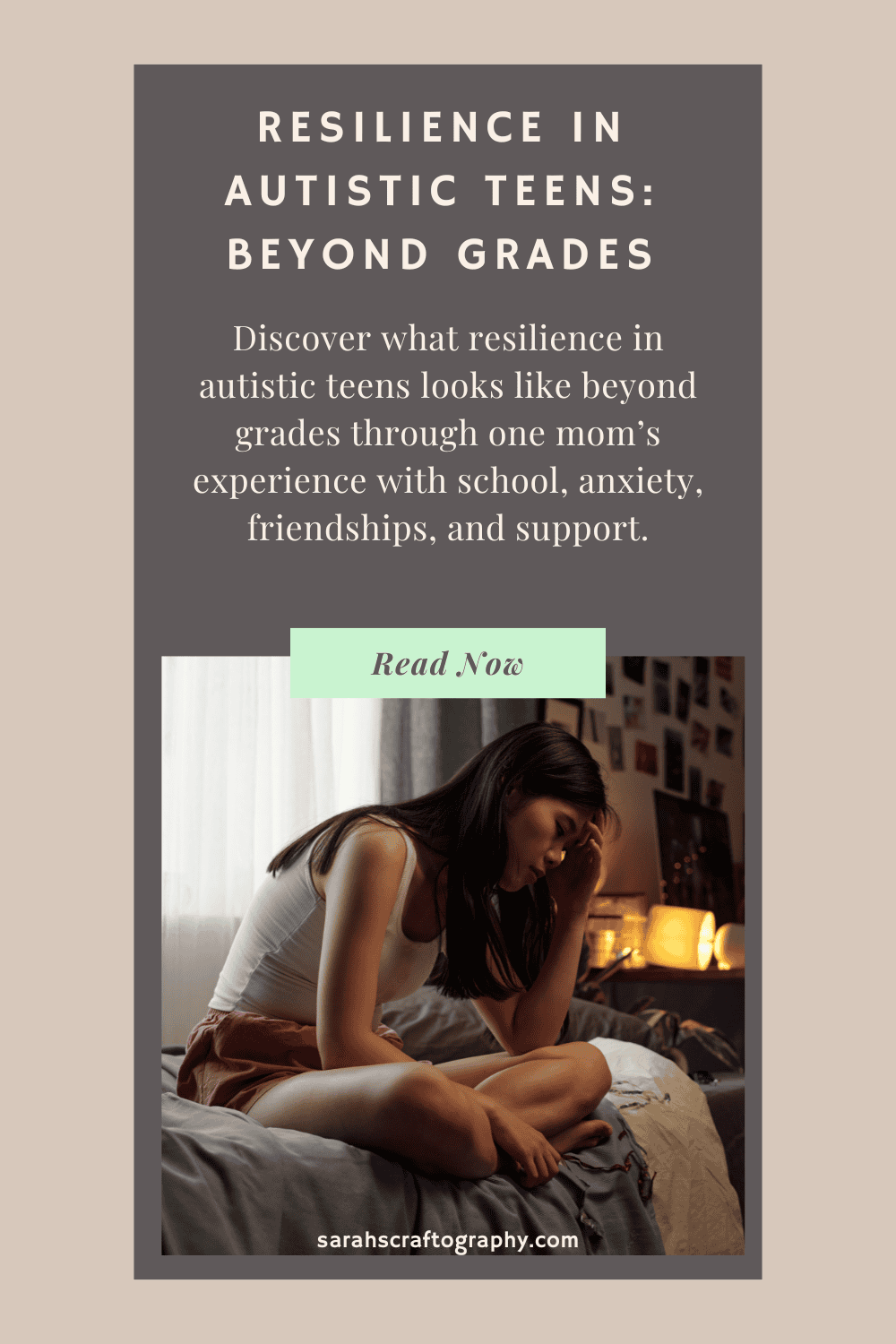
Resilience in Autistic Teens: Beyond Grades

by Sarah Stults Leave a Comment

Have you ever wondered what resilience in autistic teens really looks like during an ordinary high school day?

From the outside, everything may look fine.

The grades are there. Attendance is steady. Assignments get completed, and teachers see a capable student sitting in their classroom.

What they may not see is everything happening underneath.

For my daughter Trinity, getting through school can mean navigating noise, changing expectations, disrupted routines, social situations, anxiety, and a level of exhaustion that does not show up on a report card.

By the time the final bell rings, sometimes she has very little left to give.

As her mom, I have learned that success and struggle can exist at the same time. A teenager can be intelligent, capable, funny, creative, and doing well academically while still needing significant support.

That is why I want to talk about resilience in autistic teens beyond grades and attendance. Sometimes the greatest effort our kids make is the part nobody else gets to see.

What School Takes Out of Her

High school is a lot.

There is noise, movement, expectations, different personalities, changing classrooms, schedules, assignments, and social situations to navigate throughout the day.

For Trinity, the hardest part usually comes after lunch.

Something about that stretch of the school day seems to drain whatever energy she has left. When she has to leave for an appointment and return afterward, things can become even harder.

Her rhythm has been interrupted.

Getting it back takes real effort.

Coming Home to Recover

Once Trinity gets home, she usually goes straight to her room and puts on music.

Sometimes fifteen minutes is enough.

On harder days, she needs much longer.

I have learned to give her that time.

She is not being rude. She is not avoiding the family, and I am not allowing her to get out of something simply because she does not feel like doing it.

For her, that time is regulation.

She has spent hours navigating an environment that asks a lot from her. Home needs to be somewhere she can finally exhale.

Understanding resilience in autistic teens also means understanding that being resilient does not mean never needing to recover.

Sometimes strength looks like knowing when you have had enough.

Friendship Has Not Always Been Easy

The social side of school brings its own challenges.

More recently, Trinity has made friends at school, and I am thankful for that.

At the same time, she can become annoyed or feel disconnected because she does not always relate to them.

She enjoys seeing her friends at school but does not really want to hang out with them afterward.

I have learned that this is okay too.

There were earlier years when Trinity would tell me she had no friends.

Those words stayed with me.

It was not necessarily that nobody was ever around her.

The relationships she had did not always feel genuine or safe to her.

Freshman year was particularly difficult.

Trinity thought she had found a friend, only to discover that the other child was using her to steal items from a store.

Other friendships have included bullying or hurtful comments about the way she is.

Those experiences affect trust.

For Trinity, they have made relationships something she approaches cautiously.

We sometimes measure teenagers’ social lives by how many friends they have, how often they go somewhere, or whether they attend all the typical teenage events.

I am learning not to measure hers that way.

A smaller social world is not automatically an unhappy one.

Her Interests Are Part of Her Strength

One of my favorite things is seeing Trinity in the spaces where she feels completely comfortable being herself.

She loves gaming, music, and writing.

Trinity has played violin and viola, and music has always been important to her.

What she listens to changes with her mood, and sometimes music can help when emotions are difficult to put into words.

Gaming is another place where she shines.

She loves Roblox, The Sims 3, and Dreamlight Valley.

To someone looking in from the outside, they are simply video games.

I see something more.

These are structured worlds where rules make sense, creativity is encouraged, and Trinity has control over what happens next.

In those spaces, she is confident.

Her creativity comes through in the worlds she builds and the choices she makes.

I get to see how capable she is.

Most importantly, she is herself.

When we discuss resilience in autistic teens, I do not want the conversation to focus exclusively on difficulties.

Our kids are more than accommodations, IEPs, sensory needs, anxiety, or struggles at school.

What brings them joy matters too.

When Anxiety Becomes Physical

Anxiety has been very real in our home.

In the past, Trinity experienced meltdowns.

At other times she would shut down, avoid people, or become physically sick.

Her anxiety has even caused her to vomit.

Sleep has also been difficult for her, and when sleep is off, everything else becomes harder.

Certain times seem to demand more from her than others.

Testing season is hard.

A new semester can be hard.

Schedule changes can throw things off.

Social events may require more recovery afterward.

Those are often the times when Trinity needs to come home and recover emotionally and physically.

Someone seeing her at school might simply see an intelligent student who completed her work.

They do not necessarily see what happens afterward.

That is something parenting Trinity has taught me: being able to accomplish something does not automatically mean accomplishing it was easy.

Sometimes the real question should not be, “Can she do it?”

We should also ask, “What does doing it cost her?”

Smart Kids Can Still Need Support

One comment changed the way I thought about this.

Someone questioned why Trinity needed an IEP because she was smart.

That stayed with me.

Being intelligent does not erase a disability.

Good grades do not automatically erase the need for accommodations either.

Two autistic students can also have completely different experiences in the same school. I have written more about those individual differences and the ways autism can shape daily life in Family Insights: Unraveling the Unique Tapestry of Autism.

One may be unable to function well in a traditional classroom. Another may appear to function successfully while using nearly everything they have to make it through the day.

Both deserve support.

A child’s struggles should not have to become catastrophic before adults believe them.

That is something I wish more people understood about resilience in autistic teens.

Support is not evidence that a teenager is weak.

Sometimes the support is exactly what allows them to succeed.

Resilience Does Not Mean Doing It Alone

We tend to think resilience means pushing through.

Try harder.

Do not quit.

Keep going.

Those messages are not always bad, but I have learned that resilience can look very different.

Sometimes resilience means recognizing that you are overwhelmed.

It might mean asking for a break, using an accommodation, following a predictable routine, putting on headphones, stepping away from an overwhelming situation, or coming home and closing your bedroom door for a while. We have also learned how much sensory-friendly choices can matter during overwhelming situations, something I share more about in Sensory-Friendly Halloween Ideas Kids Will Love.

Needing those things does not erase everything it took to get through the day.

I do not want Trinity to spend adulthood believing independence means never needing another person.

Real independence also includes understanding yourself.

It means knowing your limits, communicating your needs, recognizing unsafe situations, making choices, setting boundaries, and knowing when to ask someone trustworthy for help.

Those are skills too.

Growing Up Does Not Have One Timeline

Right now, Trinity has no interest in dating.

Her focus is school and passing.

She does not like the idea of someone touching her or being physically close to her, and she is very clear about that.

I respect her boundary.

Growing up does not have one correct timeline.

There is not an age when someone must start dating to prove they are developing normally.

She does not have to want a relationship simply because other teenagers do.

As Trinity gets older, I care much more about whether she understands her own boundaries than whether she reaches somebody else’s idea of a milestone.

I want her to know she can say no.

She can decide what feels comfortable.

She can take her time.

Knowing what you do not want is valuable too.

The Fear I Carry as Her Mom

Like most parents, I worry.

I think about Trinity’s happiness, safety, future, independence, and self-esteem.

Now that high school is getting closer to ending, some of those thoughts carry more weight.

One question is especially difficult.

When I am no longer able to take care of her, who will?

I do not have an easy answer.

What I do know is that preparing Trinity for adulthood does not mean suddenly expecting her to navigate everything alone.

Anytime she calls me, I am there.

I advocate when she needs me.

When she struggles to express something or is not being heard, I help make sure her needs are not overlooked.

At the same time, I want her to know that her own voice matters.

My job is not to replace that voice.

It is to help her learn how to use it, stand beside her when she needs support, and speak up when she truly cannot.

I want Trinity to know her boundaries, recognize when something is not right, and understand that asking for help does not mean she has failed at independence.

What Grades Cannot Tell Us

Grades tell us something.

So does attendance.

Neither tells us everything.

A report card cannot show how much energy it took to walk into a noisy classroom after barely sleeping the night before.

Attendance does not reveal the effort involved in managing emotions throughout a school day.

A test score cannot tell us how exhausting the social part of school was.

Those numbers certainly do not tell us that a teenager held herself together until she got home, closed her bedroom door, turned on her music, and finally felt safe enough to stop trying so hard.

That is the part I want people to remember.

Resilience in autistic teens does not always look impressive from the outside.

Sometimes nobody sees it at all.

Capable and Struggling Can Coexist

I wish more people understood this.

  • Smart and disabled can exist at the same time.
  • Independent and supported can exist at the same time.
  • Happy and overwhelmed can exist at the same time.
  • Capable and struggling can exist at the same time.

Those things do not cancel one another out.

Perhaps we also need to stop assuming that because someone can do something, doing it must be easy.

There is a difference between completing something and completing it without an enormous personal cost.

That difference matters when we are making decisions about accommodations, school expectations, recovery time, and support.

Instead of asking only, “Can she do this?” maybe we should start asking, “What does it take for her to do this?”

That question has changed the way I look at my daughter.

God Did Not Make Her by Accident

As a Christian mom, there is something else I want Trinity to understand.

She is not a mistake.

I do not believe God accidentally made her different and now our job is to turn her into somebody else.

“I praise you because I am fearfully and wonderfully made; your works are wonderful, I know that full well.” — Psalm 139:14 (NIV)

That does not mean life will always be easy.

It does not mean we ignore struggles or pretend support is not necessary.

For me, it means Trinity’s worth was never dependent on how easily she could fit into a classroom, make friends, tolerate noise, reach a milestone, or appear like everyone else.

Her value is not measured by how well she can hide the things that make life harder.

I want to help her grow.

I want to prepare her for adulthood.

There will always be skills we work on and challenges we face.

But growth is different from trying to erase who someone is.

My daughter does not need to become somebody else to be worthy of love, dignity, patience, opportunity, and belonging.

A Final Word

This journey is not about fixing our kids.

It is about loving them as they are while helping them navigate a world that does not always make room for differences.

When I think about resilience in autistic teens, I do not picture someone endlessly pushing through without help.

Sometimes resilience looks like making it through a noisy school day and coming home to put on music.

It can look like trying to trust again after a friendship hurt you.

Other times, it is recognizing that you do not want to socialize after school, asking for an accommodation, setting a boundary, or simply surviving a day that demanded more from you than anyone realized.

That is the resilience I see in Trinity.

Her grades can tell you what she learned.

Attendance records can tell you whether she showed up.

Neither can tell you what it took for her to do it.

If you are raising an autistic teen, your child’s story may look very different from ours. That is exactly why listening to autistic teenagers as individuals matters.

Do not measure their strength only by how successfully they can appear like everyone else.

Some days resilience will be obvious.

Other days, it might happen quietly behind a closed bedroom door with music playing after an exhausting day.

Both count.

If you are walking this road as a parent, I would love to hear from you.

What is something about your autistic teen that you wish teachers, family members, or the rest of the world understood?

Share your experience in the comments if you feel comfortable.

You never know when your family’s story may help another parent feel a little less alone.

And if you know someone raising an autistic teen, please share this post with them.

Sometimes the greatest thing we can give our kids is not another push to be stronger.

It is a safe place where they do not have to be strong for a little while.

Filed Under: Autism, Autism in Everyday Life, Family Life

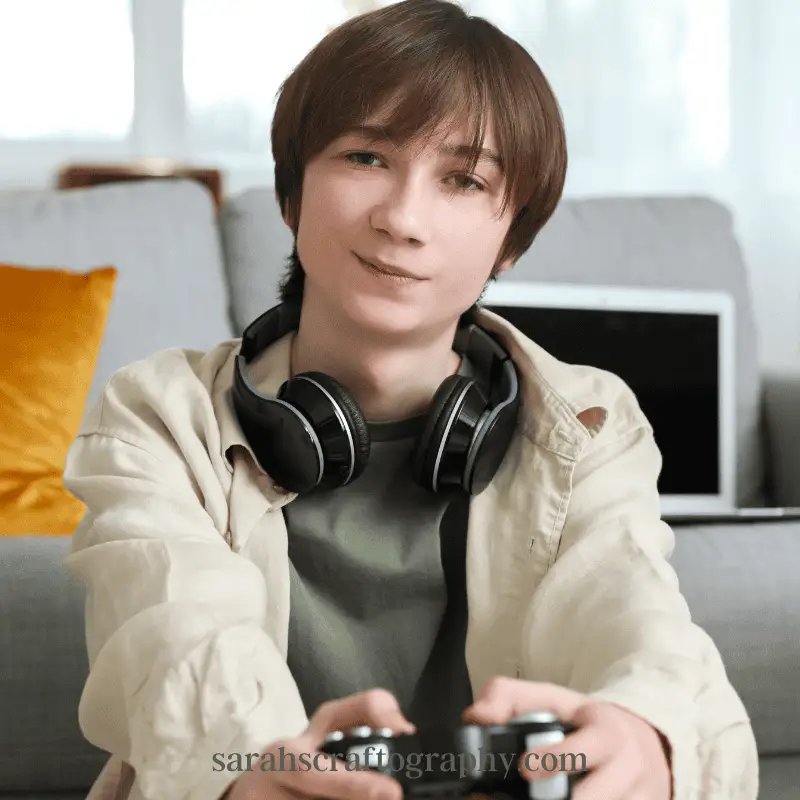
Teen Beans: Unraveling Java Journeys and Habits

by Sarah Stults Leave a Comment

Teen-beans-unraveling-java-journeys-and-habits.jpg.

Ever wondered about the surge in teenage java consumption?

Peer influence, clever marketing, and a global coffee culture are reshaping the narrative.

As a survivor and advocate, I understand the importance of delving into these trends, considering the potential health impacts on teens.

Let’s explore the intricacies, from cultural shifts to the significance of managing this emerging phenomenon.

[Read more…]

Filed Under: Family Life Tagged With: beverages, health

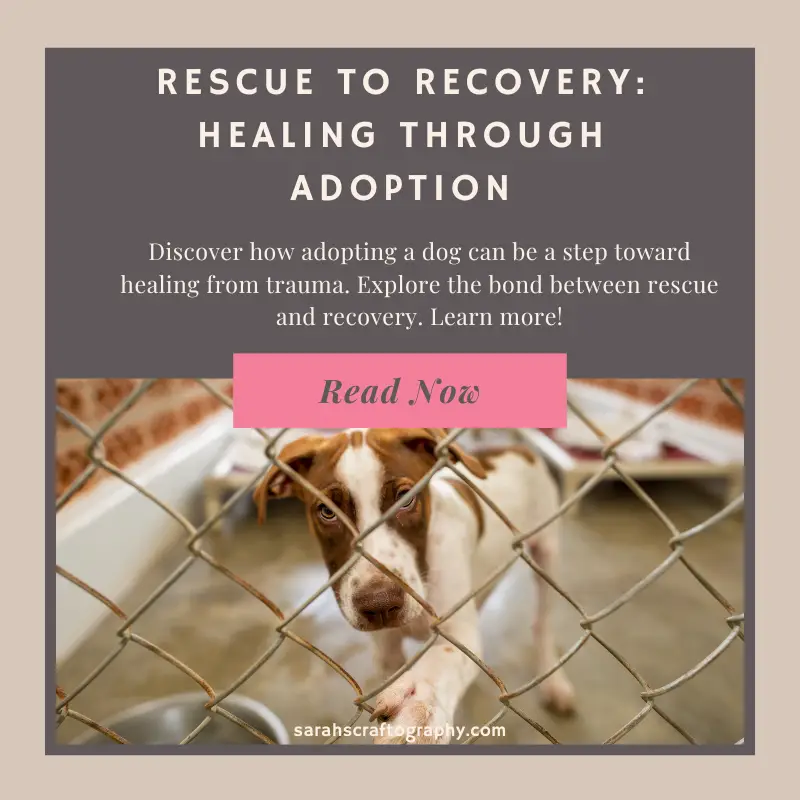
Rescue to Recovery: Healing Through Adoption

by Sarah Stults Leave a Comment

Adoption rescue dog healing through bonding and trauma recovery.

Ever wondered if adopting a dog could be your first step toward healing from a tough past?

Spoiler alert: It absolutely can!

This post dives into the amazing connection between rescuing a dog and bouncing back from domestic violence.     

My own journey after an abusive relationship led me to Arrow, a scrappy little furball who needed as much healing as I did.

But this isn’t just about giving a dog a home; it’s about two survivors finding comfort and strength in each other.

Together, we faced our fears, learned to trust again, and started a whole new chapter of love, laughter, and wagging tails.

Could adopting a dog be the key to your healing?

Let’s find out how rescuing a pet might just rescue you too!

Playful puppies behind chain-link fence, adoption and rescue, dog therapy, animal bonding, pet recovery.

Baggage Claim: Emotional Edition

If you’ve ever been through the wringer of domestic violence, you know the deal: it’s a long, painful road to trusting again.

But here’s the twist—I never thought I’d be walking that road with a four-legged sidekick!

Then I met Arrow at Cincinnati Animal Care, and let me tell you, it was love at first sight.

Arrow was just 21 pounds of pure uncertainty, but those big, scared eyes?

They had me hooked.

“This is it,” I thought, “This is my forever friend.”

Oh boy, what a ride it’s been!

Arrow came with more emotional baggage than an airport carousel.

Like many of us, he was terrified, unsure, and ready to bolt at the slightest hint of trouble.

And bolt he did—twice!

I remember sprinting after him, heart pounding, thinking, “Oh no, I’ve lost him for good.”

But just like me, Arrow kept coming back, ready to face another day.

Yawning dog close-up in outdoor park setting.

The Great Kennel Caper (And Other Shenanigans)

Now, let me tell you, Arrow wasn’t content with just the occasional runaway act—no, this pup had a flair for the dramatic!

One day, I left him in a kennel, thinking, “He’ll be fine for a bit.”

Ha!

Big mistake.

I came back to find the kennel absolutely destroyed—reduced to a twisted pile of metal that looked like it had been through a tornado.

And the doorway?

Arrow had tried to eat his way out of that too!

There I was, tears streaming down my face, wondering, “Am I really cut out for this?”

But then Arrow looked at me with those big, soulful eyes, and I realized something important: we were both just trying to find our way out of the mess life had thrown at us.

Sad dog behind cage at animal shelter.

Trust Issues? We’ve Got ‘Em

Trust doesn’t come easy when you’ve been hurt, and Arrow and I both had walls up that could rival the Great Wall of China.

But little by little, we started chipping away at those barriers.

For every door trim Arrow chewed, there was a cuddle session on the couch reminding us both that love, even when it’s tough, is always worth fighting for.

I remember those nights when I’d be lying in bed, tears flowing, and Arrow would be right there, offering a snuggle.

He got me when no one else did.

Trust wasn’t something Arrow or I gave freely, but every time he curled up next to me or wagged his tail when I walked through the door, I knew we were getting closer.

Trust, it turns out, is built one small act of kindness at a time—whether you’re a person or a pup.

Happy dog hugging woman with long brown hair, cozy indoor setting, pet friendship, adorable pet owner bond, Sarahs Craftography.

Healing, One Wag at a Time

There’s something downright magical about the bond between a person and a dog who’ve both been through the wringer.

Arrow and I?

We were like two puzzle pieces that didn’t seem to fit anywhere else, but together, we made something beautiful.

Every day with him was a lesson in patience, love, and the incredible power of second chances.

Sure, there were bumps along the way—chewed doorways, shredded kennels, and all—but with every obstacle, we both grew stronger.

The more I helped Arrow heal, the more I healed too.

It wasn’t always easy, but it was worth every tear, every doubt, and every late-night cuddle session.

Soft-hearted dog being gently loved and petted outdoors.

Why You Should Adopt (And Maybe Cry a Little)

If you’ve ever thought about adding a dog to your family, here’s a tip: adopt, don’t shop!

The dogs in shelters have stories—stories of resilience, survival, and the desperate need for someone to show them that not all humans are bad.

No matter how small their battles may seem, they’ve chosen to live on and overcome them.

When you adopt, you’re not just saving a life; you’re forging a bond with a fellow survivor.

These dogs, like us, have been through the worst but still have so much love to give.

Together, you can create something amazing—a journey of healing, trust, and maybe a few chewed-up door trims along the way.

Gentle dog paw being held by a person against a blurred natural background.

Ready for Your Forever Friend?

So, if you’re ready to open your heart and your home to a dog who needs you, remember: adopt, don’t shop.

The life you save won’t just be theirs—it might be yours too.

I’d love to hear your stories!

Have you adopted or fostered a dog who’s been through the wringer?

How has that experience changed your life?

Let’s swap tales, share some laughs (and maybe a few tears), and build a community of survivors—both human and canine.

Adoption rescue dog healing through bonding and trauma recovery.

Finding Forever

In the end, adopting a dog isn’t just about giving them a home; it’s about finding your own forever.

It’s about healing, loving, and proving that even after the darkest times, there’s always a chance for a happy ending.

But remember, adoption might not be for everyone, and that’s perfectly okay!

Everyone has their own path to healing, and what works for one person might not work for another.

Whether you find solace in a wagging tail or in other ways, what’s important is finding what helps you move forward.

So go ahead—adopt, love, or discover your own way to heal, and watch how the smallest acts of kindness can mend even the most broken of hearts.

[mv_create key=”18″ layout=”circles” thumbnail=”https://sarahscraftography.com/wp-content/uploads/2021/05/Teen-dating-violence-insta.jpg” title=”Domestic Violence” type=”list”]


Filed Under: Family Life Tagged With: abuse, domestic violence, health

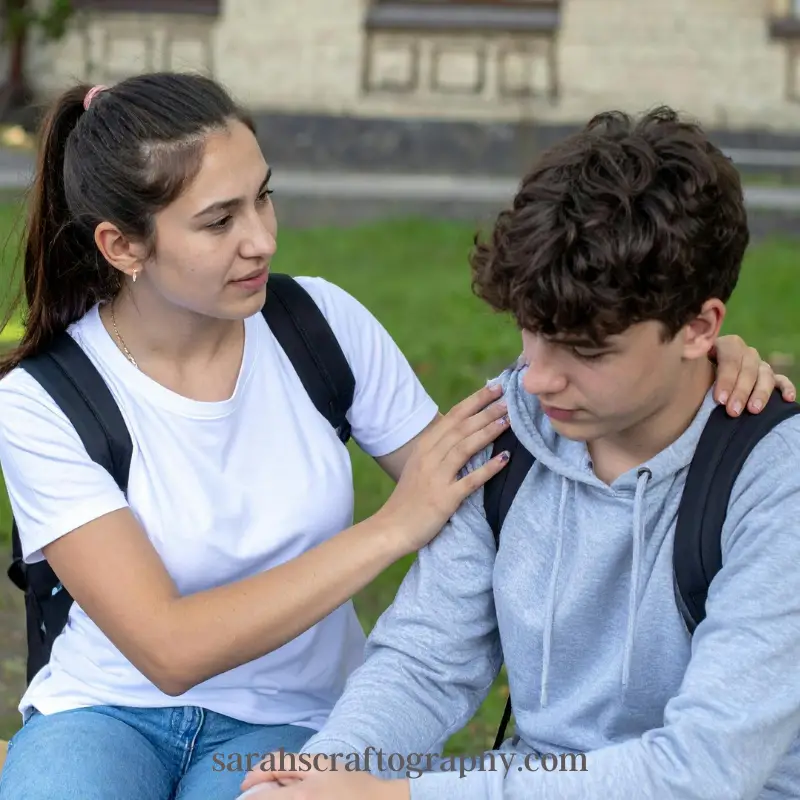
Mastering Quality Conversations with Teens

by Sarah Stults Leave a Comment

Effective communication tips for teens, fostering understanding and trust, connecting with your teen.

Have you ever wondered how to have quality conversations with teens?

Navigating the journey from childhood to adulthood can be a challenging time, both for teenagers and their parents.

This phase is marked by intense pressure for teens to form their identities, face societal expectations, and navigate the complexities of social media.

As parents, it’s crucial to support them through this critical period by mastering the art of quality conversations.

This means understanding their unique world, respecting their emerging individuality, building trust, and handling difficult topics with care.

By doing so, we not only strengthen our bond with our teens but also help them develop into confident, well-rounded individuals.

Let’s explore practical strategies to achieve this.

[Read more…]

Filed Under: Family Life

Surviving Narcissism: Solo Parenting Resilience

by Sarah Stults Leave a Comment

Surviving narcissism solo parenting resilience infographic with mother and child playing together.

Ever wondered how to handle being a single parent when dealing with the challenges of narcissism from an ex who acts self-centered?

Imagine it’s like going through unexplored territory, where there are lots of tough challenges at every step.

It gets even trickier when the other parent shows signs of narcissism – thinking they’re really important, wanting lots of praise, and not caring much about others.

Let’s talk about the ups and downs of being a single parent in this tricky situation.

We’ll look at the problems and, more importantly, find some practical ideas to help you out.

From understanding what narcissism looks like to finding supportive friends and learning how to talk better, I am writing this to give you strength and help.

By knowing what to expect, getting legal advice, taking care of yourself, and improving how you communicate, you can create a more stable and peaceful life for your family.

[Read more…]

Filed Under: Family Life

Guide to Empower Kids’ Emotional Expression Journey

by Sarah Stults Leave a Comment

Ever wondered how to navigate your child’s emotional maze?

Emotions weave a complex tapestry in everyone’s life, especially for kids embarking on this journey.

I understand the challenge, having navigated similar complexities in my own advocacy for emotional health.

As a survivor of domestic violence, I recognize the vital role parents play in unraveling this emotional tapestry.

My journey, from escaping abuse to fostering emotional resilience, fuels my passion for guiding parents.

Building a foundation in emotional literacy empowers children, fostering communication, empathy, and resilience.

It’s about recognizing, discussing, and regulating feelings.

Join me in this transformative journey, and let’s equip our kids for a life rich in emotional well-being.

[Read more…]

Filed Under: Family Life, Parenting, Sarah's Life Tagged With: family, kids, parenting skills, Relationships

Ways To Be More Involved With Your Children

by Sarah Stults Leave a Comment

Building family connections with children engaging in craft activities.

Are you a parent wondering how you can be more involved with your children?

Trust me, I’ve been there too!

In today’s fast-paced world, it’s not uncommon to feel a bit disconnected from our children.

Between parents working outside the home, kids engrossed in electronic devices, and the separation that comes with school, it’s a challenge.

But fear not, because I’m here to offer some guidance on how we, as parents, can become more involved with our children.

Let’s embark on this journey together!


Helpful strategies for family involvement in children’s activities.

[Read more…]

Filed Under: Family Life, Parenting Tagged With: family, kids, parenting skills, Relationships

Important Conversations To Have With Your Child

by Sarah Stults Leave a Comment

Parents enjoying autumn outdoor family photo with a young girl on their shoulders for fall memories.

Have you ever wondered what are important conversations to have with your child? 

I believe that this may very for each family.

However, there are some conversations that are important to everyone equally. 

What should we be having conversations about with our children? 

I am here to share some ideas with you. 

Let’s get started!  

Important conversations with children, parenting tips, family communication, child development, Sarah's Craftography.

[Read more…]

Filed Under: Family Life, Parenting Tagged With: family, kids, Relationships

  • Email
  • Facebook
  • Instagram
  • LinkedIn
  • Pinterest
  • Snapchat
  • Tumblr
  • Twitter
  • YouTube

Categories

  • About Sarah
  • Autism
  • Autism in Everyday Life
  • Christmas
  • Crafts & DIY
  • Domestic Violence & Healing
  • Easter
  • Family Life
  • Halloween
  • Healing After Abuse
  • Life With Kids
  • Parenting
  • Parenting Autistic Children
  • Recipes
  • Sarah's Life
  • Seasonal
  • Sensory Experiences
  • Single Parenting
  • St. Patrick's Day
  • Understanding Abuse

Copyright © 2026 · Foodie Pro & The Genesis Framework