

Have you ever wondered how domestic violence and homelessness are connected?
For many survivors, finding safety can mean losing almost everything they once called home.
We hear people say, "Why doesn't she just leave?" all the time.
What we don't talk about nearly enough is what happens after she does.
Leaving may be the first step toward safety, but it can also be the beginning of an entirely different fight.
Where will she live?
How will she support her children?
What happens if she has no money, no childcare, damaged credit, missing documents, or nowhere safe to go?
There is so much more happening behind the words "just leave" than most people realize.
So, let's talk about that part.
Let's talk about what leaving can actually look like, why domestic violence and homelessness are so often connected, the systems survivors have to navigate while trying to rebuild, and most importantly, what we can do to make that road a little easier for the person walking it.

Why Doesn't She Just Leave?
This is probably one of the most common questions asked about domestic violence.
I wish leaving were that simple.
Walking away from an abusive relationship isn't only an emotional decision.
There are practical questions attached to almost every part of it.
Where will I live?
How will I pay rent?
What will happen to my children?
Can I afford childcare?
Will I still have a job?
Do I have transportation?
Can I safely take my belongings?
What happens to our pets?
Will the person I'm leaving come looking for me?
Do I have enough money for a security deposit?
Can I even qualify for an apartment?
Those aren't excuses. They are real problems requiring real solutions.
An abusive person may also have spent years making sure their partner isn't in a good position to leave.
Isolation, financial control, damaged credit, threats, lack of transportation, and fear can all make walking out that door incredibly complicated.
That is one reason domestic violence and homelessness can become so closely connected.
We need to stop reducing such a complicated situation to the words "just leave."
Financial Abuse Can Follow You Out the Door
Not every form of abuse leaves a visible bruise.
Financial abuse can involve controlling access to money, interfering with employment, taking someone's paycheck, refusing access to bank accounts, creating debt, damaging credit, hiding financial information, or making someone account for every dollar spent.
The relationship may end while the financial damage remains.
Now imagine trying to rent an apartment.
A landlord may want proof of income, rental history, references, a deposit, application fees, and a credit check.
An application doesn't tell your story.
It cannot explain that your credit was damaged while you were being abused.
Numbers on a page don't show that someone controlled your money.
Rental history may not explain why you had to leave somewhere suddenly.
Nothing on that application tells a landlord how hard you worked to get yourself and your children somewhere safe.
A survivor may be trying to rebuild employment, credit, savings, transportation, childcare, and housing all at once while also healing from trauma.
That is an enormous amount to carry, and it is another part of the connection between domestic violence and homelessness that people often don't see.

Sometimes You Leave With Almost Nothing
There is an idea that leaving domestic violence looks like someone carefully packing suitcases, arranging transportation, collecting paperwork, and calmly walking out the door.
Sometimes a survivor does have time to prepare.
Other times, the safest opportunity to leave comes suddenly.
You may walk out with your purse, your phone, whatever clothes you're wearing, and your children.
When immediate safety becomes the priority, nobody should expect a survivor to stop and pack a perfectly organized moving box.

Think About Everything a Family May Leave Behind
Look around your own home for a minute.
Beds.
Towels.
Dishes.
Cleaning supplies.
Clothing.
Food.
Toiletries.
Pots and pans.
School supplies.
Furniture.
Family photographs.
Children's favorite toys.
Those ordinary things may not seem particularly valuable until you have to replace almost all of them at once.
Finding four walls and a roof is an incredible step forward.
Still, an empty apartment has to become a home.
That is another part of the connection between domestic violence and homelessness that we can easily overlook.
Finding housing doesn't instantly replace everything a family lost while escaping.

Even Proving Who You Are Can Become a Battle
Then comes something people rarely mention when discussing domestic violence and homelessness.
Paperwork.
Nearly every assistance program requires some type of documentation.
Depending on what you're applying for, you may need identification, birth certificates, Social Security information, proof of income, information about your children, school records, custody paperwork, rental information, bank statements, insurance information, or other documents.
That sounds simple when everything is sitting safely inside a filing cabinet.
Domestic violence isn't always that simple.
An abusive person may deliberately control or withhold important documents.
Someone else might have access to the bank account, insurance information, lease, vehicle paperwork, or children's records.
Other survivors simply don't have time to grab any of it.
If you are running because you're afraid for your life or your children's safety, you're probably not standing in the hallway wondering whether you remembered everyone's birth certificate.
Your focus is getting out.
I want to make something very clear.
If you are in immediate danger, do not stay in an unsafe situation because you don't have every document you think you might need.
Documents can be replaced.
You cannot.

If You Can Safely Prepare, It Can Make Things Easier
When you have the opportunity to plan before leaving, and doing so doesn't increase your danger, gathering important information can make some of the next steps easier.
Helpful documents may include:
- identification
- birth certificates for yourself and your children
- Social Security cards or numbers
- health insurance or Medicaid information
- school records
- custody or court documents
- pay stubs or other proof of income
- bank information you can safely access
- vehicle registration and insurance
- lease or housing paperwork
- medical information
- prescription information
- documentation for benefits you already receive
- passports or immigration documents when applicable
- protective orders or other important legal paperwork
You may not have all of those things.
That's okay.
This isn't another impossible checklist someone has to complete before she is "ready" to leave. It's simply something to consider when preparing is possible.
Safety Comes Before Paperwork
When it is safe to do so, copies of important documents may sometimes be kept with someone you trust.
Digital copies can also help, but shared phones, computers, email accounts, cloud storage, and other online accounts may be monitored.
A trained domestic violence advocate can help you create a safety plan based on your individual circumstances.
I also talk more about preparing and things to consider when looking for a shelter in my post, "Picking A Domestic Violence Shelter."
Planning ahead can help tremendously, but not everybody gets that opportunity.
Prepare when you safely can.
Get out when you have to.
The paperwork can come later.

Missing Documents Can Slow Down Everything Else
This is one of the less obvious ways domestic violence and homelessness can become connected.
You finally get somewhere safe, but now you need permanent housing.
There's paperwork.
Childcare becomes necessary so you can work, which brings more forms and requirements.
Another benefit may require something else.
Perhaps one document has to be replaced before you can even complete an application for another program.
Meanwhile, you're parenting, searching for housing, trying to earn money, attending appointments, finding transportation, recovering from trauma, and figuring out an entirely new life.
A person can spend hours simply proving she qualifies for help.
That doesn't mean she's irresponsible.
Sometimes it means she escaped.
Government Assistance Isn't as Simple as People Think
People who have never needed assistance sometimes talk about these programs as though help is sitting there waiting for anyone who asks.
"She can get Section 8."
"Childcare assistance is available."
"Food assistance can help."
"She can go to a shelter."
Yes, these programs exist.
Thank God they do.
They have helped countless families, including mine.
Knowing a program exists and successfully navigating it, however, are two completely different things.
I have been the mother filling out applications and gathering documents.
At other times, I have spent hours making phone calls or trying to understand what needed to happen next.
Landlords have been part of the process too.
At different points in my life, I have needed childcare assistance and housing assistance.
I have also experienced homelessness and lived in a domestic violence shelter.
There is a reality on the other side of these programs that people who have never needed them don't always see.
Understanding that reality matters if we really want to understand domestic violence and homelessness.

Waiting for Housing When You Need It Now
Government-assisted housing can be life-changing for a family.
The problem is that needing housing doesn't mean housing is immediately available.
Here in Cincinnati, CMHA's Housing Choice Voucher waiting list is currently closed.
For people selected for the 2026 Housing Choice Voucher waiting list through the lottery, CMHA currently estimates that the wait for an eligibility appointment can range from six months to three years. The actual wait depends on things such as placement on the waiting list and available funding.
Now think about that from the perspective of someone experiencing domestic violence.
You don't get to schedule a crisis around a housing waiting list.
An abusive person cannot be told, "I need you to stop hurting me until my housing assistance becomes available."
A survivor may need somewhere safe tonight even though long-term housing assistance could be months or years away.
That gap matters.
It is also one of the reasons conversations about domestic violence and homelessness have to include what happens between leaving abuse and obtaining permanent housing.
Shelters, family, friends, churches, nonprofits, homelessness programs, and other community resources can become incredibly important during that waiting period.

Housing Choice Vouchers and Public Housing Aren't the Same Thing
People often use "Section 8," "government housing," "public housing," and "housing assistance" as though they all mean the same thing.
They don't.
A Housing Choice Voucher generally allows an eligible family to find qualifying privately owned housing.
The family has to locate the property, and the landlord has to participate in the program.
Public or subsidized housing properties can have their own application processes and waiting lists.
CMHA's public housing process, for example, allows applicants to select preferred properties and join waiting lists based on the appropriate bedroom size.
When an applicant reaches the next stage, CMHA completes additional eligibility steps before offering an available unit.
Why does that distinction matter?
Because one waiting list being closed doesn't necessarily mean every housing option is closed.
Ask questions.
Find out which programs are accepting applications.
Check whether there are property-based programs you may qualify for.
Another type of housing assistance may also be available.
You may still encounter waiting lists and closed programs.
Hearing "no" more than once is possible.
Keep asking.

A Housing Voucher Still Isn't a Home
Finally receiving a Housing Choice Voucher can feel like an enormous victory.
It is.
Still, a voucher and an apartment are not the same thing.
CMHA currently issues vouchers for 90 days.
During that time, the family has to find a suitable property, locate a landlord willing to work with the program, complete the necessary paperwork, and get through the approval and inspection process.
Meanwhile, the voucher clock keeps running.
CMHA currently tells voucher holders who have difficulty finding a unit that they can request an extension within seven days before their voucher expires.
CMHA reviews those extension requests on a case-by-case basis.
I have personally lived with that pressure.
Ninety days may sound like plenty of time when you already have somewhere safe to live.
The same ninety days feel very different when they may determine whether your children have a permanent home.
Reaching that final week knowing you can ask for more time, without knowing for certain whether you'll receive it, brings another kind of fear.
For survivors caught between domestic violence and homelessness, that uncertainty can feel enormous.
A program designed to create housing stability shouldn't leave families feeling like they are racing a clock toward homelessness.
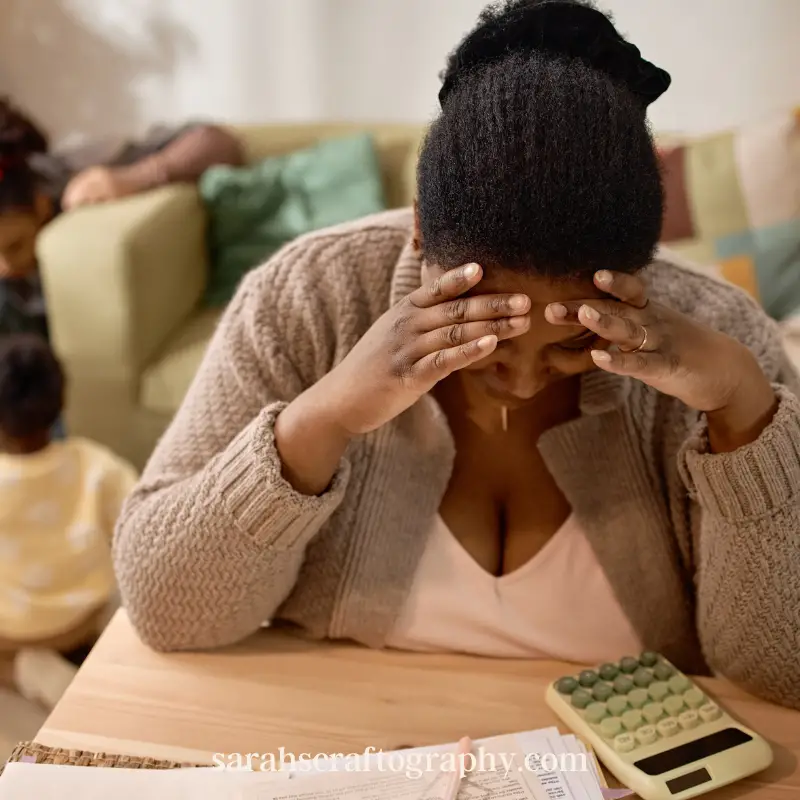
The Housing Search Is More Than Finding an Apartment Online
Receiving the voucher is really the beginning of another process.
First, you have to find an available property that works with the program.
The landlord has paperwork to complete.
Next, the proposed unit has to meet program requirements and go through the required inspection process.
Only then can the assistance turn into actual housing.
That is one reason I get frustrated when people talk about receiving a voucher as though somebody just handed you an apartment.
They didn't.
What you received was an opportunity to find one.
There is a difference.
CMHA does currently offer "Your Rental Connection" events on Tuesdays from 1:00 p.m. to 3:00 p.m., where approved applicants can meet potential landlords.
Resources like that are worth knowing about.
Anything that connects families directly with landlords willing to participate in the program can make the housing search a little easier.
We need more solutions that help people actually turn their vouchers into homes.
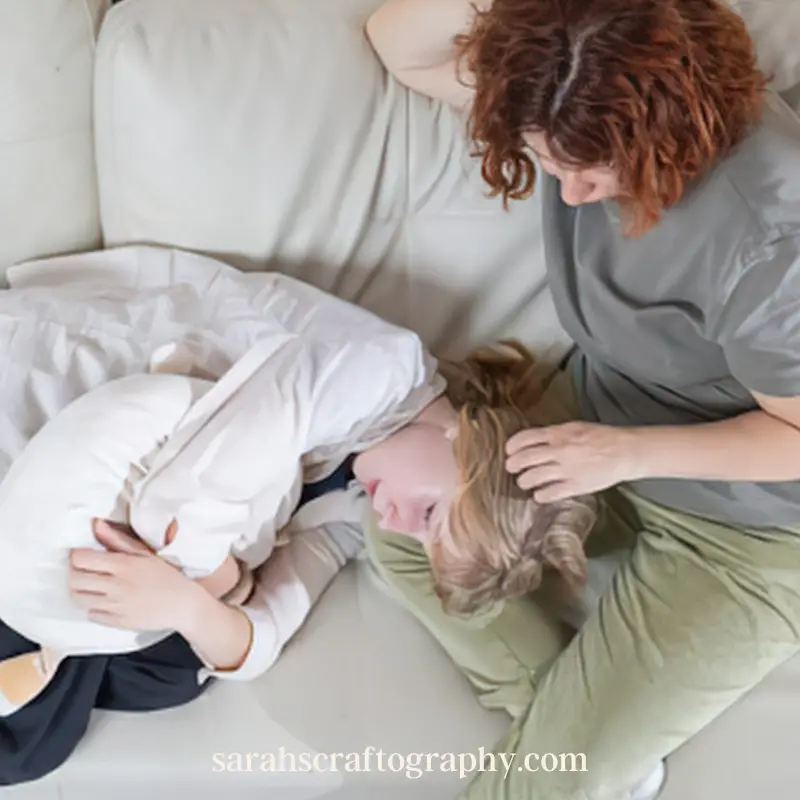
Landlords Have More Power in This Process Than People Realize
Receiving a voucher doesn't create an apartment.
You still need someone willing to rent one to you.
This is something I have personally struggled with.
Someone coming out of domestic violence and homelessness may already have fewer housing options because of income, credit, rental history, debt, or other circumstances.
Add an expiring voucher to that situation, and desperation can begin changing the balance of power.
There is another side of this conversation that I think we need to be willing to acknowledge.
Vulnerable people can become targets for exploitation.
A person who knows a tenant has nowhere else to go may also realize that tenant is more likely to tolerate things another renter wouldn't.
I have personally seen people with very few options living in properties that needed significant work or accepting conditions that someone with more money and more choices probably would not accept.
There have also been situations where vulnerable people become dependent on the same person for housing and employment.
Someone's desperation should never become another person's opportunity to take advantage of them.

Having Fewer Choices Doesn't Mean You Deserve Less
A person shouldn't have to be grateful for unsafe or poorly maintained housing simply because she was previously homeless.
Having a voucher doesn't mean you should accept anything you're offered.
Poverty doesn't take away your right to dignity.
Surviving domestic violence doesn't mean you should be expected to tolerate another person controlling or taking advantage of you.
That last part matters tremendously.
A survivor fought to get away from one situation where somebody held enormous power over her. She shouldn't have to enter another one simply because she needs somewhere to live.
I've personally dealt with serious landlord problems while receiving housing assistance.
My situation eventually ended up in court after I exercised my rights as a tenant.
During that experience, I did not feel protected by CMHA when I needed that protection.
It changed how I see the system.
At the same time, I don't believe every landlord is bad.
Some landlords participate in housing programs, maintain their properties, treat tenants respectfully, make repairs, and provide families with decent places to live.
We need more of them.
People working inside housing programs can genuinely care about the families they serve too.
Both things can be true.
The goal should be making the system work better.
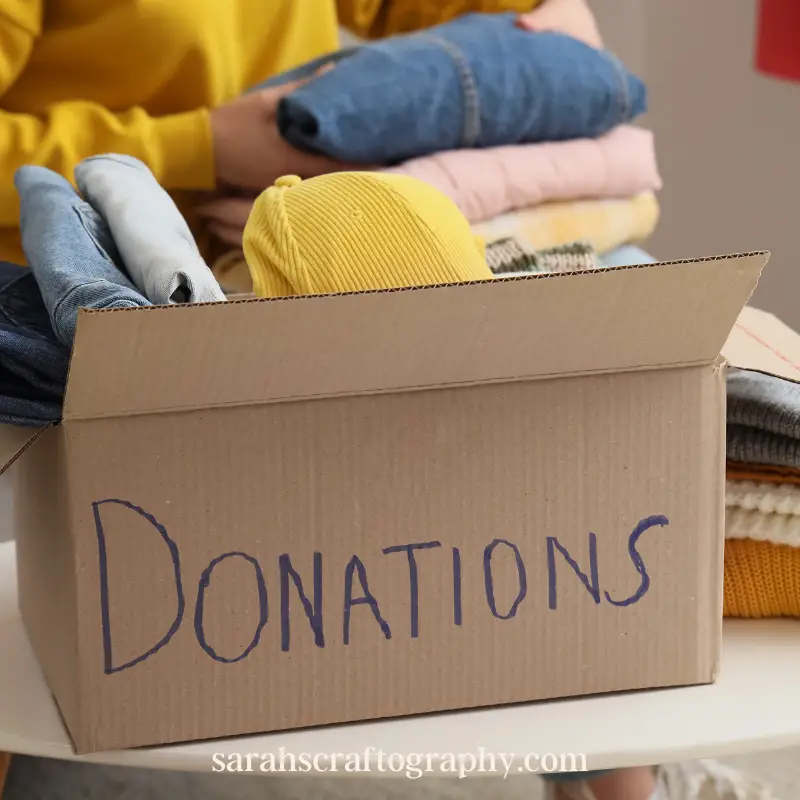
Being a Landlord Can Be a Form of Service Too
I don't believe making money from rental property is wrong.
Landlords invest money, pay expenses, maintain properties, take risks, and deserve fair compensation.
Earning an income isn't the problem.
The problem comes when somebody's vulnerability becomes an excuse to give them less while taking as much as possible.
Luke 6:31 says:
"Do to others as you would have them do to you." - Luke 6:31 (NIV)
That applies to business too.
If you wouldn't want your own children living in a home with serious health or safety problems, another mother's children shouldn't be expected to live that way.
Likewise, concerns you would want taken seriously as a tenant deserve the same consideration when they come from someone receiving housing assistance.
A person's income doesn't change God's standard for how we treat one another.
When domestic violence and homelessness have already left a family with fewer choices, a good landlord can actually become part of that family's path toward stability.
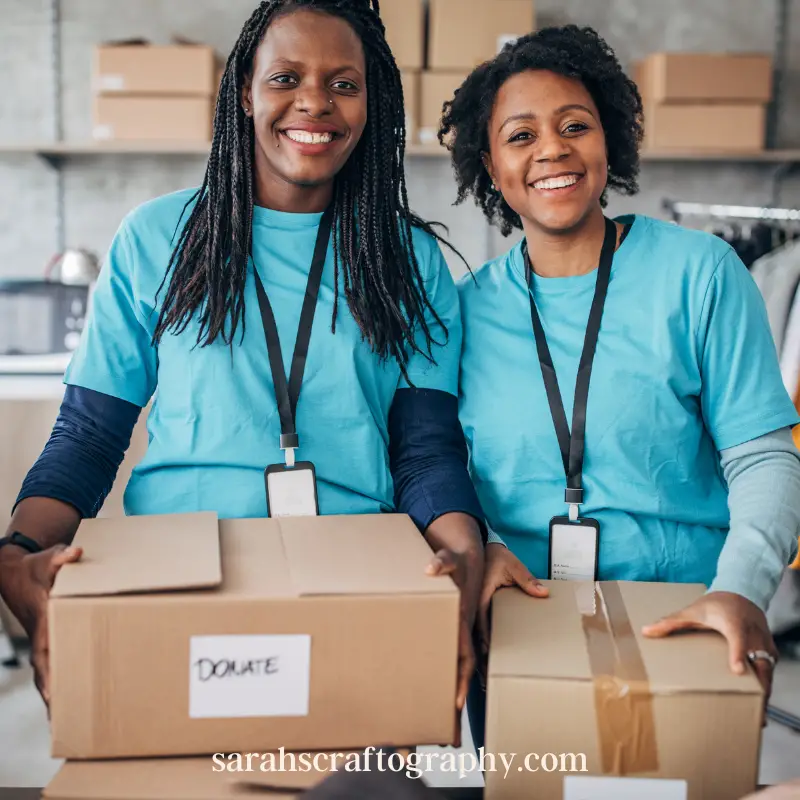
Keep Records When You Can
After everything I have experienced, this is one practical piece of advice I would give anyone navigating housing assistance, childcare assistance, or other benefit programs.
Keep records whenever you safely can.
Save emails and notices.
Make copies of applications and forms.
Write down the dates of important phone calls and, when possible, the name of the person you spoke with.
Anything involving your voucher, lease, inspection, benefits, childcare, income, or other assistance may be worth keeping.
If you submit something important online, save whatever confirmation the system provides.
When you're already overwhelmed, paperwork can easily turn into a pile you promise yourself you'll deal with later.
I understand that.
Unfortunately, there may come a time when you need to remember exactly when something happened or show that you submitted something.
Having your own records can help.
Safety still comes first.
If keeping physical paperwork or electronic records could put you in danger because an abusive person may find them, talk with a domestic violence advocate about safer ways to preserve important information.
Poverty Can Become a Full-Time Administrative Job
This is something I wish more people understood.
Being poor can take an incredible amount of work.
Rebuilding after domestic violence and homelessness can too.
Applications have to be completed. Families need to gather documents and provide proof of income. Offices require phone calls, and sometimes those calls mean spending long stretches of time on hold.
Meanwhile, emails need checking while appointments, housing searches, transportation, childcare, work, parenting, trauma, and deadlines all compete for attention.
One program may require something completely different from another.

Everything Affects Something Else
Housing affects childcare.
Without childcare, employment can become difficult.
Changes in employment affect income, which can then affect benefits.
Transportation determines whether someone can get to work in the first place.
Nothing exists in a neat little box.
Then society looks at the person struggling through all of this and tells her she needs to "get on her feet."
She may be working harder to get there than anyone realizes.
That complicated web is another reason domestic violence and homelessness cannot be solved by simply handing someone a phone number and assuming everything else will fall into place.

Childcare Can Become Another Catch-22
This part is personal for me too.
When I was homeless and living in a domestic violence shelter, I received childcare assistance.
I needed it.
Childcare wasn't a luxury. It was one of the things that made it possible for me to work toward rebuilding my life.
Eventually, I got housing.
At that point, I was doing exactly what we tell people receiving assistance that we want them to do: trying to become more stable, take care of my children, improve our situation, and move forward.
You would think that would be when things became easier.
Instead, I found myself fighting another battle.
I lost my childcare assistance and was told I first needed to prove my income.
Think about how backwards that can feel when you're the parent actually living it.
Childcare allows you to work.
Employment provides income.
That income helps maintain housing.
Without childcare, though, how exactly is a parent supposed to go to work to earn it?
That is the catch-22 families can find themselves facing.
For survivors rebuilding after domestic violence and homelessness, losing one form of support can threaten progress in several other areas at once.

Now Add the Actual Cost of Childcare
This conversation becomes even more important when we look at what childcare actually costs in Ohio.
Recent Ohio data shows that infant care typically costs more than $13,000 a year, while preschool care costs more than $10,000 a year.
For a family with two children, childcare takes an average of about 29% of household income in Ohio.
One recent analysis put the average cost of center-based childcare for an infant and a four-year-old at approximately $25,532 per year.
That works out to more than $2,100 a month.
Consider what that means for someone rebuilding from domestic violence and homelessness.
A survivor may have just left an abusive relationship with damaged credit, little or no savings, and very few belongings.
Finding somewhere to live is only the beginning.
Rent comes first, followed by utilities, food, transportation, clothing, household supplies, and possibly legal expenses. Debt from the abusive relationship may still exist too.
Now add potentially thousands of dollars a month for childcare.
How is someone supposed to become financially independent if going to work requires paying an amount she cannot possibly afford before she has had the chance to become financially stable?
This is why childcare assistance matters.
It isn't simply somebody else "paying for a babysitter."
For some families, childcare assistance makes employment possible in the first place.
Childcare Is Part of Housing Stability Too
We tend to put all of these needs into separate boxes.
Housing becomes one program.
Childcare falls under another.
Food assistance sits somewhere else, while employment gets treated as something completely separate.
Real life doesn't work that way.
Losing childcare may cause a mother to lose work hours. Reduced hours can mean less income, and less money makes paying rent harder.
Eventually, that chain reaction can put a family at risk of homelessness again.
That possibility becomes particularly important when talking about domestic violence and homelessness because a survivor may have fought incredibly hard to establish a safe home.
Losing one piece of support can threaten everything she has been building.
Stability Has to Be the Goal
That's why I believe we need to look at the whole family when we're talking about helping people become independent.
Getting somebody out of a shelter shouldn't be the final goal.
We should want her to remain safely housed, maintain employment, have safe childcare, build savings, and eventually need less assistance because she has actually become financially stable.
You cannot build stability by constantly pulling pieces out from underneath someone while she is still trying to stand.
Getting Better Shouldn't Make Life Harder
There can be an uncomfortable place between poverty and financial independence.
A parent gets a job.
Her income increases.
Then a benefit changes, and suddenly she is responsible for an expense that the small increase in her paycheck doesn't come close to covering.
On paper, she is doing better.
In her bank account, she may actually be worse off.
Childcare is a perfect example of why that matters.
If a mother earns a little too much for one form of assistance but full-price childcare could cost her more than $1,000 a month for one young child, that isn't a small adjustment to the family budget.
For two young children, the cost can rival or even exceed what many families spend on housing.
We should want people to become independent.
I believe in working, taking responsibility, learning new skills, budgeting, and building a stable future when someone is able to do those things.
Assistance should help create that path rather than becoming a cliff.
There shouldn't be shame in using the bridge while you're still crossing it.
Once somebody begins reaching the other side, we should be careful not to pull that bridge away before her feet are actually on solid ground.
Breaking the cycle of domestic violence and homelessness requires more than helping someone survive the initial crisis. It means giving families a realistic opportunity to become stable afterward.

The Stigma Around Assistance Needs to Stop
This is where I think we need to look at ourselves too.
People make comments about "Section 8 people."
Families using food assistance get judged.
Public housing is sometimes treated like a character flaw.
A mother receiving childcare assistance may hear somebody complain that another person is paying to raise her children.
You have no idea what brought someone to that place.
Maybe she escaped an abusive husband.
Perhaps he controlled all the money.
Someone else could have lost almost everything when she left.
Another mother may have spent months in a shelter trying desperately to keep her children safe.
Receiving assistance doesn't tell you whether somebody is hardworking, responsible, loving, intelligent, faithful, or determined.
It tells you she needed help.
That's it.
Domestic violence and homelessness can happen to people whose lives once looked completely different. Needing help during that season should never become someone's entire identity.

We Need to Stop Judging Where Someone Lives Too
An address doesn't tell you somebody's worth.
Behind the doors of subsidized housing are ordinary families.
One mother may be making dinner while children do homework nearby.
Someone else is getting ready for work.
A family could be celebrating a birthday.
Down the hall, a little boy might be playing with his toys on the living room floor.
Somewhere, a survivor may be sleeping peacefully for the first time in months.
A home doesn't become less meaningful because housing assistance helps pay the rent.
For someone who has experienced domestic violence and homelessness, those walls may represent something money cannot measure.
Safety.

How Domestic Violence and Homelessness Affect Children
My heart especially goes to the children because they didn't choose any of this.
They didn't choose the violence, and leaving home wasn't their decision.
A child didn't decide to leave favorite toys behind, sleep somewhere unfamiliar, change schools or routines, leave friends, or listen to adults whisper about things they don't understand.
Younger children may ask when they're going home.
Older children sometimes understand far more than adults realize.
Some become quiet, while others act out.
School can become harder because concentrating on spelling words or math problems isn't easy when your entire world feels uncertain.
Meanwhile, their parent is trying to reassure them while privately wondering how she's going to make everything okay.
Sometimes survival doesn't look organized.
Dinner may be whatever is easiest.
Tears might come unexpectedly, and everybody may be exhausted.
Healing doesn't require a family to pretend everything is fine.
Children need safety, love, stability, patience, and time.
Little by little, ordinary life can begin feeling ordinary again.

Emergency Shelter Can Be the Beginning
Domestic violence shelters save lives.
They can provide somewhere safe for survivors and their children to go while figuring out what comes next.
A shelter can also offer something incredibly important that a friend's couch or hotel room may not provide: people who understand domestic violence and know how to help someone navigate the next steps.
Here in Greater Cincinnati, YWCA provides domestic violence crisis services, safety planning, emergency shelter, advocacy, children's programming, housing support, work support, and connections to other resources.
Emergency shelter isn't meant to be the end of the journey.
Families still need permanent housing.
Employment may need to be rebuilt.
Children need stability.
Finances and legal issues may require attention too.
Trauma doesn't disappear simply because the immediate danger is over.
Getting through tonight matters.
So does helping someone reach a point where she no longer has to wonder where her family will be sleeping six months from now.
That long-term stability has to be part of our conversation about domestic violence and homelessness.

Cincinnati's Central Access Point Is Another Place to Start
People experiencing homelessness or at risk of homelessness in Hamilton County should also know about the Central Access Point, usually called CAP, operated by Strategies to End Homelessness.
CAP can provide information about homelessness services, assess whether someone needs emergency shelter, check shelter availability, and make certain referrals to appropriate programs.
That matters because someone already in crisis shouldn't have to spend the entire day calling place after place without even knowing where to begin.
One phone call may not solve everything.
Having somewhere to start still matters.

How Churches Can Respond to Domestic Violence and Homelessness
This is an area where I believe Christians can make a real difference.
James 2:15-16 says:
"Suppose a brother or a sister is without clothes and daily food. If one of you says to them, 'Go in peace; keep warm and well fed,' but does nothing about their physical needs, what good is it?" - James 2:15-16 (NIV)
I believe deeply in prayer.
Prayer matters.
Our prayers should also move our hearts toward compassion and action.
A church doesn't need to become a domestic violence agency.
Some situations absolutely require trained advocates and professionals.
That doesn't leave the church without a role.
Practical needs still exist.
A meal can remove one worry from a mother's day. Gift cards might cover groceries or gas, while furniture can turn an empty apartment into a home.
Another family may need dishes, towels, bedding, cleaning supplies, clothing, diapers, or school supplies.
A trusted person could provide transportation to an appointment. Someone else might sit beside a survivor while she works through an application or tries to replace missing documents.
Even when a church cannot meet a particular need itself, knowing the people and organizations in the community that can help is valuable.

What I Have Seen Through BLOC Ministries
Here in Cincinnati, one ministry I can personally speak about is BLOC Ministries because I have had the opportunity to be involved with them myself.
BLOC is difficult to describe in just a sentence or two because they do so much.
Their ministry reaches people experiencing homelessness, women in difficult circumstances, children, teenagers, families, and others throughout the community.
A kitchen prepares food for people who are homeless and hungry. Shelter and residential support are another part of the work.
BLOC also has ministries specifically reaching women who need a safe place, relationships, support, and resources.
Programs for children and teenagers provide another layer of care before those young people ever become adults trying to navigate difficult circumstances on their own.
Horses on the Hill is one of those programs.
Through horses and relationships, children, teenagers, women, and families have a place where they can connect, grow, and receive support.
Girls Wanted is another part of BLOC's ministry. It serves girls ages 13 and older on an individual basis, providing mentoring, discipleship, relationships, encouragement, and support based on the needs of each girl.
That individual approach matters because not every young person needs exactly the same thing.
Sometimes a teenager needs a safe adult who consistently shows up.
Perhaps she needs somebody who listens, encourages her, and reminds her that she has value.
At another point, what matters most may simply be having someone willing to walk beside her instead of only showing up once everything has already fallen apart.

Ministry Can Look Different for Different People
BLOC also provides opportunities for people to learn practical skills, find community, receive food and other necessities, and begin taking steps toward stability.
I have personally seen what can happen when ministry moves outside the walls of a church building.
Sharing the love of Christ may look like sitting across the table and listening to somebody.
At another moment, it could mean feeding a person who is hungry.
Helping a woman who has nowhere else to turn is ministry too.
For a teenager, it may mean having a safe place and trustworthy adults.
Teaching somebody a skill that could eventually help them earn an income can change a future.
Other times, ministry might simply mean helping someone figure out where to make the next phone call.

Small Churches Can Still Make a Difference
Every congregation cannot do everything BLOC does.
Most churches couldn't, and they don't have to.
A small church may not be able to open a shelter or pay someone's rent.
There might not be enough space to operate a food pantry, residential program, job-training program, or something like Horses on the Hill.
Supporting organizations already doing those things is another way to serve.
One person can volunteer.
Another may be able to donate.
A congregation could collect needed items, prepare meals, help furnish an apartment, or keep information about trusted community resources available.
Churches can also build relationships with ministries such as BLOC so that when someone walks through our doors needing help, our only response isn't, "I don't know what to tell you."
Other faith-based organizations throughout Cincinnati are doing important work too.
St. Vincent de Paul helps families with practical needs including food, clothing, furniture, household items, utilities, and housing-related assistance.
The Healing Center connects people with food and other community resources, while Found House Interfaith Housing Network works with families experiencing homelessness and housing instability.
We don't have to duplicate work that someone else is already doing well.
Sometimes one of the most valuable things a church can do is know where help exists and help someone reach it.

Our Churches Should Be Safe Places to Ask for Help
Most importantly, our congregations should be places where someone isn't afraid she will be blamed or shamed if she admits something is wrong at home.
Domestic violence should never be excused by twisting Scripture.
Marriage does not give another human being permission to terrorize, threaten, control, humiliate, or physically harm their spouse.
A woman shouldn't have to convince an entire congregation that what happened to her was "bad enough" before Christians are willing to help.
Christian compassion shouldn't require someone to prove she suffered enough before we're willing to care.
Listening is a place to start.
When something is clearly wrong, we can help a survivor connect with trained advocates without pretending we are qualified to investigate everything ourselves.
Practical help can accompany prayer.
Encouragement can remind someone that asking for help isn't a failure of faith.
The body of Christ was never meant to be one person or one congregation trying to do everything.
Each of us brings what God has given us.
One church may provide food, while another ministry offers shelter. Someone else might donate furniture. An advocate can help create a safety plan as a volunteer provides transportation.
Perhaps another Christian simply becomes the safe person who answers the phone.
All of those things matter.
Addressing domestic violence and homelessness requires many people doing different things well.
Sometimes being part of the safety net means providing help yourself.
Other times, it means knowing where that net is and helping someone reach it.
Either way, when somebody is hurting, the church should never be another place she has to be afraid to ask for help.

Helping Someone Doesn't Mean Taking Control of Her Life
This matters too.
Leaving one controlling situation shouldn't mean immediately entering another one where everybody starts telling you what you're going to do.
Abuse takes away choices.
Healthy support helps give them back.
Instead of saying, "Here's what you need to do," try asking, "What would be helpful right now?"
Rather than demanding every detail of someone's story, listen to what she is comfortable sharing.
If immediate danger is involved, encourage professional help and safety planning while still treating the survivor like an adult whose voice matters.
Sometimes helping means doing something.
Other times, the most helpful thing is sitting beside someone and listening.
Wisdom is knowing the difference.

We Can Tell the Truth Without Losing Compassion
I don't believe every landlord is bad.
Nor do I believe every government employee doesn't care.
People working in shelters, housing programs, nonprofits, churches, and government agencies aren't automatically the problem.
There are incredible people doing this work.
I've received help that mattered tremendously while also experiencing parts of these systems that failed me.
Both are true.
Talking about problems isn't the same as attacking every person working inside the system. In fact, honestly discussing what happens to people navigating these programs can help us improve them.
My own experience with housing taught me that.

When My Own Housing Situation Ended Up in Court
For nearly two years, I had been asking my landlord to make needed repairs to my home.
Eventually, Section 8 required the landlord to complete repairs.
You would think that would have finally solved the problem.
Instead, I began receiving numerous 24-hour notices for workers to enter my home. At times, those notices came daily.
I want to be clear because this distinction matters.
I wasn't refusing necessary repairs.
I had been asking for them for years.
My concern centered on what began happening once those repairs were ordered.
Workers would spend hours inside my home. They entered my kitchen, bathroom, laundry room, garage, and other areas, yet from my perspective, very little meaningful repair work seemed to get completed.
I told my landlord that I wasn't comfortable with people repeatedly coming into my home without accountability for what work they were there to complete.
For me, another layer existed that someone who hasn't experienced domestic violence may not immediately understand.
I am a domestic violence survivor.
Having control over who enters my home matters to me. Knowing why somebody is inside matters too.
Privacy is important.
So is feeling safe when I close my front door.
After living through a relationship where someone took away my sense of safety and control, finally having a home was supposed to mean I had somewhere secure.
Instead, my home became a source of stress again.
That experience reminded me that domestic violence and homelessness aren't only about obtaining an address. Survivors also need to feel safe once they are housed.

I Did What Tenants Are Told to Do
I documented what was happening.
Text messages, voicemails, and notices became part of my records.
Over time, I kept information showing what had been happening.
Eventually, the situation ended up in court, and I had an attorney.
Even with the documentation I had collected, my attorney explained that although I believed I could prove I was experiencing retaliation, there was still no certainty that I would win my case.
That was difficult to hear.
Tenants hear that they should know their rights.
People tell us to document everything, save messages and notices, speak up when something is wrong, get legal help, and go through the proper channels.
I did those things.
Still, I had to face the reality that following every recommended step does not guarantee a particular outcome.
Evidence doesn't automatically mean a judge will interpret events the way you do.
Likewise, believing you can demonstrate retaliation doesn't guarantee a court will ultimately agree.
That uncertainty becomes much more frightening when your family's housing is on the line.
"Just Move" Isn't Always an Answer
Someone with plenty of money and housing options might look at a serious landlord dispute and say, "I would just move."
But where?
For a family receiving a Housing Choice Voucher, moving may mean finding another landlord willing to participate in the program.
The family must locate another qualifying property. More paperwork follows, along with another approval process, another inspection, moving expenses, packing an entire household, and possibly changing the children's routines, transportation, or schools.
All of it has to happen while trying not to become homeless again.
That creates an enormous imbalance of power.
It also explains why telling someone to "just report the landlord" or "just take them to court" can sound very different to the person whose housing is actually at risk.
Legal protections, tenant rights, documentation, attorneys, courts, and housing authorities all matter.
Having those things available, however, doesn't make the process easy or guarantee the outcome someone desperately needs.
When domestic violence and homelessness are already part of someone's story, the possibility of losing housing again can carry an entirely different weight.

Listening to the People Using These Systems
None of this means we should give up on housing programs or the people working inside them.
Instead, we should listen to the people actually using them.
When families repeatedly struggle to find landlords before vouchers expire, we should ask what would make the housing search more successful.
After a family finally receives housing assistance following months or years of waiting, that voucher should have a realistic chance of becoming safe, stable housing.
Serious tenant complaints deserve attention.
Someone who believes she is experiencing retaliation after asserting her rights should know where she can turn for meaningful help.
Childcare rules that create another obstacle while a parent transitions out of homelessness and into employment deserve examination too.
Programs should provide understandable information, explain people's rights, and create meaningful ways for participants to raise concerns.
People using these systems should have a place in conversations about improving them because they often know exactly where the cracks are.
I can be grateful that housing assistance helped my family while also telling the truth about the parts of my experience that were incredibly difficult.
Appreciating the people who helped me doesn't require ignoring the times I didn't feel protected.
Gratitude does not require silence.
Humility doesn't mean allowing people to take advantage of you.
Being Christian doesn't mean pretending something wrong is right just to avoid making someone uncomfortable.
At the same time, I don't want my experiences to turn into hatred toward landlords, government workers, housing authorities, or anyone else.
We can speak truth without hatred while calling for accountability without trying to destroy another person.
My purpose in sharing this isn't to attack the people involved in my story.
I want people to understand what these systems can actually feel like from the other side of the desk.
If we really want programs designed to address domestic violence and homelessness to succeed, then we have to listen when the people using those programs tell us where something isn't working.
That isn't complaining.
That is how we learn to do better.

What Could We Do Better?
After talking about all of this, I don't want to leave anyone believing nothing can change.
There are things we can do better.
Housing programs can provide more meaningful support when voucher holders struggle to find a safe home before their time runs out.
More landlords can choose to participate while providing safe, properly maintained homes and treating families with dignity.
Community organizations can help people obtain missing documents, complete applications, access computers, find transportation, understand deadlines, and learn about their rights.
Transitions from crisis assistance to independence deserve closer attention too.
Getting a job shouldn't immediately create a childcare crisis.
Leaving a shelter shouldn't mean someone suddenly has to figure everything out alone.
Receiving a housing voucher shouldn't mark the end of housing assistance when a family still cannot find a landlord willing to accept it.
The goal should be stability, not simply checking off that someone received a service.

Lived Experience Belongs in the Conversation
Churches can build relationships with organizations already doing this work so they know where to turn when someone needs more help than the congregation can provide.
Friends and family can stop asking, "Why doesn't she just do this?" and start asking, "What is standing in her way, and is there something I can do to help?"
Landlords, advocates, housing workers, churches, nonprofits, attorneys, and the people actually receiving these services all have something valuable to bring to the conversation.
I especially believe we need to listen to people who have lived through domestic violence and homelessness.
We know where we got stuck.
Some of us can point directly to what helped.
Other experiences taught us that something sounding simple on paper can become incredibly difficult in real life.
Small acts of kindness can also make an enormous difference when everything feels impossible.
That's one reason I'm willing to talk about my own experiences.
Something I learned the hard way may save another woman months of frustration.
Perhaps something that failed me becomes a problem we recognize needs to change.
An experience that helped me might inspire another church, landlord, organization, or community to do the same thing for somebody else.
I can't change what I went through.
But I can decide what I do with it now.
I don't want bitterness to be what comes out of the things I've survived.
I want something useful to come from them.
Finding Help for Domestic Violence and Homelessness in Cincinnati
If you are experiencing domestic violence in Cincinnati or the surrounding area, you do not have to figure everything out alone.
YWCA Greater Cincinnati provides 24-hour domestic violence crisis support, safety planning, emergency shelter, advocacy, children's services, housing support, work support, and connections with other resources.
YWCA Greater Cincinnati Domestic Violence Hotline
Call: 513-872-9259
Text: 513-436-3606
If you are experiencing homelessness or are at risk of homelessness in Hamilton County, the Central Access Point Helpline through Strategies to End Homelessness is another place to start.
Central Access Point (CAP)
Call: 513-381-SAFE (7233)
CAP currently accepts calls Monday through Friday from 9:00 a.m. to 5:00 p.m. and Saturday and Sunday from 9:00 a.m. to 1:00 p.m. CAP is closed from noon until 12:45 p.m. on weekdays.
CAP can provide information about homelessness services, determine whether someone needs immediate shelter, check emergency shelter availability, and make certain referrals to housing or homelessness-prevention programs.
CAP is not a general rental-assistance program.
If you need help with rent, utilities, food, crisis support, or other basic needs, call United Way 211.
If you are trying to use a CMHA Housing Choice Voucher and have questions about your voucher, housing search, or program requirements, CMHA Housing Choice Voucher Customer Service can be reached at:
513-977-5800
CMHA also currently offers "Your Rental Connection" events on Tuesdays from 1:00 p.m. to 3:00 p.m. for approved applicants to meet potential landlords.
If you or your children are in immediate danger, call 911.
Please think about technology safety too.
An abusive person may have access to a shared phone plan, location information, email, social media, cloud accounts, passwords, or internet history.
If you believe your technology may be monitored, use a safer device when possible and talk with a trained domestic violence advocate about creating a safety plan.

Don't Let Pride Keep You From Making the Next Call
One of the hardest parts of asking for help can be making that first phone call.
You may feel embarrassed.
Judgment might be another fear.
Perhaps you've already called three places and been told they couldn't help.
Make the next call anyway.
When one organization cannot provide what you need, ask whether they know who might.
Write down the referral and call that number.
Keep asking questions.
There is nothing shameful about trying to keep yourself and your children safe.
Unfortunately, finding help can sometimes become a matter of knocking on several doors before one opens.
That shouldn't be as difficult as it is.
While we work toward better systems for domestic violence and homelessness, I want people navigating the systems we have now to know that hearing "no" from one program doesn't necessarily mean there is nowhere else to turn.

If You're Preparing to Leave
If you are in a position where you can safely plan ahead, I encourage you to also read my post, "Picking A Domestic Violence Shelter."
I go deeper there into things you may want to consider when researching shelters and preparing to leave.
There is one thing I want you to carry with you from this post, though.
Preparing is wonderful when you can do it safely.
Documents help.
Having some money saved can make things easier.
Researching shelters and knowing where you're going are valuable when circumstances allow.
Childcare arrangements and important belongings can also make the transition smoother.
None of those things are requirements for deserving safety.
If the moment comes when staying is more dangerous than leaving and you don't have the perfect plan, your birth certificate, a packed bag, money in the bank, or any idea what happens next, please don't convince yourself that you have to finish preparing before you're allowed to seek help.
Ask for help.
The next step can be figured out once you're somewhere safe enough to take it.
Maybe We're Asking the Wrong Question
Maybe it is time to retire the question:
"Why didn't you leave?"
Let's ask better questions.
What do you need to be safe?
Is there somewhere you can go?
Are your children safe?
Do you have access to money?
Which important documents do you have?
Is there someone you trust?
Would help finding resources make things easier?
What would make your next step safer?
Those questions don't assume we know what somebody needs.
Instead, they give that person room to speak.
If you've never experienced an abusive relationship, some of a survivor's decisions may not make sense to you.
That's okay.
You don't have to completely understand someone else's trauma to treat them with compassion.
Changing the way we talk about domestic violence and homelessness can begin with changing the questions we ask.

There Is Dignity in Receiving Help
Christians especially need to be careful about the way we speak about poverty.
Galatians 6:2 tells us:
"Carry each other's burdens, and in this way you will fulfill the law of Christ." - Galatians 6:2 (NIV)
There are seasons when we help carry somebody else's burden.
At another point in life, we may be the person who needs help carrying ours.
Neither position makes somebody more valuable to God.
Government assistance doesn't determine your worth.
Neither does your address.
A credit score cannot measure human value.
Homelessness doesn't define who you are.
Living in a shelter doesn't change your worth either.
Accepting legitimate help when you need it isn't something to be ashamed of.
I've been the person who needed that help.
That's why I will never look down on somebody else for needing it too.

There Is Life After Domestic Violence and Homelessness
I don't want to end this conversation with homelessness, waiting lists, paperwork, courtrooms, and everything that can go wrong.
Because that isn't the whole story either.
There can come a point after leaving when survival slowly begins turning into living again.
Maybe it's the first night you realize you slept without being afraid.
Perhaps it's signing a lease with your own name on it.
It could be watching your children laugh in a living room that finally feels peaceful.
One day you notice nobody is checking what you spent at the grocery store.
Another victory might be decorating your home exactly the way you want.
Eventually, things that once felt impossible can become ordinary.
After chaos, ordinary can be beautiful.
Psalm 34:18 says:
"The LORD is close to the brokenhearted and saves those who are crushed in spirit." - Psalm 34:18 (NIV)
I don't believe God only meets us once everything has been put back together.
He is with us while we're picking up the pieces.
Rebuilding after domestic violence and homelessness doesn't happen according to somebody else's timeline.
There isn't a deadline for when you should be completely healed.
Finances don't have to be repaired overnight.
An entire life cannot be expected to rebuild itself in ninety days.
Your story can move forward one safe decision at a time.
For those of us standing beside survivors, our job isn't to write the next chapter for them.
Our role can be helping make sure they have enough safety, dignity, encouragement, resources, and support to begin writing it themselves.

What I Hope We Take From This
I don't expect one blog post to fix domestic violence and homelessness.
It certainly won't solve every problem surrounding housing assistance, childcare, poverty, landlords, affordable housing, or the complicated systems survivors encounter after leaving.
What I do hope is that it changes the way we look at the person standing in the middle of all those systems.
When you see someone receiving assistance, consider what you may not know about her story before deciding she is lazy.
Those keys to a subsidized apartment might not look like much to someone else, but to the person holding them, they could represent the first safe home she and her children have had in years.
Instead of asking why a woman didn't leave sooner, think about everything she may have been trying to figure out before leaving was even possible.
Poverty doesn't remove someone's right to live in a safe, properly maintained home. Nobody should have to accept unsafe conditions simply because she needed help paying the rent.
Needing assistance shouldn't become a reason for shame either.
Life can change incredibly quickly, and circumstances none of us planned for can completely alter what we need to survive.
Most importantly, if God has placed us in a season where our own needs are met, perhaps we could spend less time deciding whether somebody else deserves help and more time asking how we can be useful.

Our Experiences Can Become Something Useful
Something I learned the hard way might help another survivor know which question to ask.
A church could read this and better understand what a family actually needs when starting over.
Perhaps a landlord sees the family holding a voucher a little differently.
Someone who has never experienced poverty might think twice before making another joke about "Section 8 people."
Somewhere, a woman sitting in a domestic violence shelter may read these words and realize that needing help right now doesn't mean this is where her story ends.
If any of those things happen because I was willing to tell the truth about what I experienced, that would be enough.
There is life after survival.
Hope exists after homelessness.
Healing is possible after abuse.
The road there may not be simple, and sometimes the systems designed to help will make you want to scream.
Keep going.
Your hardest season doesn't get to decide the rest of your story.
Now Let's Do Something With What We Know
For those of us who are currently in a position to help, I hope we don't finish reading something like this, feel sad for a few minutes, and then move on with our day.
Knowledge gives us an opportunity to act.
Listen without immediately judging.
Learn which resources are available in your community.
Support organizations already doing good work.
Choose to become a better landlord, neighbor, friend, church member, advocate, or simply a safer person for someone to approach when life falls apart.
Rather than looking at someone receiving assistance and assuming we know her story, become curious about what she actually needs.
Even one person choosing compassion can make the road a little easier for the next woman who finally finds the courage to walk out the door.
Those of us who have lived through domestic violence and homelessness have something valuable to contribute too.
Our experiences can become more than painful memories.
Hard lessons can become information.
Survival can grow compassion.
Sharing what we learned can help create change.

Add Your Voice to the Conversation
I want to hear from you.
If you have experienced domestic violence, homelessness, housing assistance, shelters, childcare assistance, poverty, or rebuilding after a crisis, what is something you wish other people understood?
Which resources or people actually helped you?
Where did you find yourself getting stuck?
How could our communities do better?
Share your experience in the comments if you feel safe and comfortable doing so. Something you learned the hard way might be exactly what another person needs to hear today.
If this post taught you something, changed the way you look at domestic violence and homelessness, or made you think of someone who needs to read it, please like and share it.
Send it to someone who might benefit from this conversation.
Bring the subject up with your church, talk about it with your family, or start a conversation within your organization or community.
Real change doesn't always begin with an enormous program, a huge donation, or someone with a powerful title.
Sometimes it begins when ordinary people decide that what is happening to their neighbors matters.
Today, you might listen instead of judge.
Tomorrow, someone else might decide to volunteer.
A church could begin collecting household supplies for families moving out of shelters.
One landlord may decide to give a family with a voucher an opportunity.
Perhaps another person learns the name and number of a local resource so they are prepared when someone asks for help.
None of those things will solve domestic violence and homelessness by themselves.
Together, however, small acts of compassion can become something much bigger.
That is how communities begin changing.
It is how we become safer people for survivors to approach.
Most importantly, it is one way we can begin making the road out of abuse a little less lonely for the person who has to walk it.

If You Are the Person Who Needs Help Right Now
If you are trying to figure out how to get yourself or your children somewhere safe, please remember this:
You don't have to figure out the rest of your life today.
The next safe step is enough.
Ask for help.
Accept it when you need it.
Keep going when rebuilding takes longer than you thought it would.
Needing help during one chapter of your life does not determine who you will be in the next one.
For everyone else, let's do more than talk about what needs to change.
Listen.
Learn.
Show up.
Then, little by little, let's start becoming part of the change we keep saying we want to see.
Because leaving abuse shouldn't mean choosing between being hurt and being homeless.
Safety should be the beginning of someone's new life, not another battle they have to fight alone.
A Note About This Post
This post shares my personal experiences along with faith-based encouragement, educational information, and community resources.
It is not a substitute for professional domestic violence advocacy, legal advice, medical care, mental health treatment, or emergency services.
If you or your children are in immediate danger, call 911.
Leave a Reply