

Have you ever wondered why victims stay in abuse, even when it seems obvious from the outside that they should leave?
It is one of those questions that sounds simple until you have been the person standing inside that house.
From the outside, people see a door.
They see a car in the driveway, a phone in her hand, or a domestic violence shelter somewhere in the city and wonder why she does not simply pack a bag and go.
What they cannot see is everything tied to that decision.
I know because I have stood on the other side of that question.
When I hear someone ask why a woman stays, I think about the children's beds, their favorite toys, the food in the refrigerator, the bills that still have to be paid, and the routines those children depend on.
My mind also goes to the home she has worked to build while someone inside it has slowly taken pieces of her away.
There is the fear.
Money can become another trap.
Children may love their father and have no idea what is happening between their parents.
Family members may have been pushed away, faith may have been twisted against her, and years of being told that nobody else will ever want her can make the outside world feel very far away.
Then there is the terrifying question waiting on the other side of the front door.
Where do I go now?
For me, leaving was not one brave moment where I packed a suitcase, shut the door, and never looked back.
I tried to leave more than once.
I was found more than once.
Eventually, I had to rebuild a life that looked very different from the one I had worked so hard to hold together.
That is why I believe understanding why victims stay in abuse starts with changing the way we ask the question.
Instead of asking, "Why doesn't she just leave?" maybe we should be asking, "What is making it so hard for her to leave, and how can we help her get somewhere safe?"
There is a whole lot more packed into that suitcase than clothes.
So, let's open that suitcase together and talk about what "just leaving" actually means.
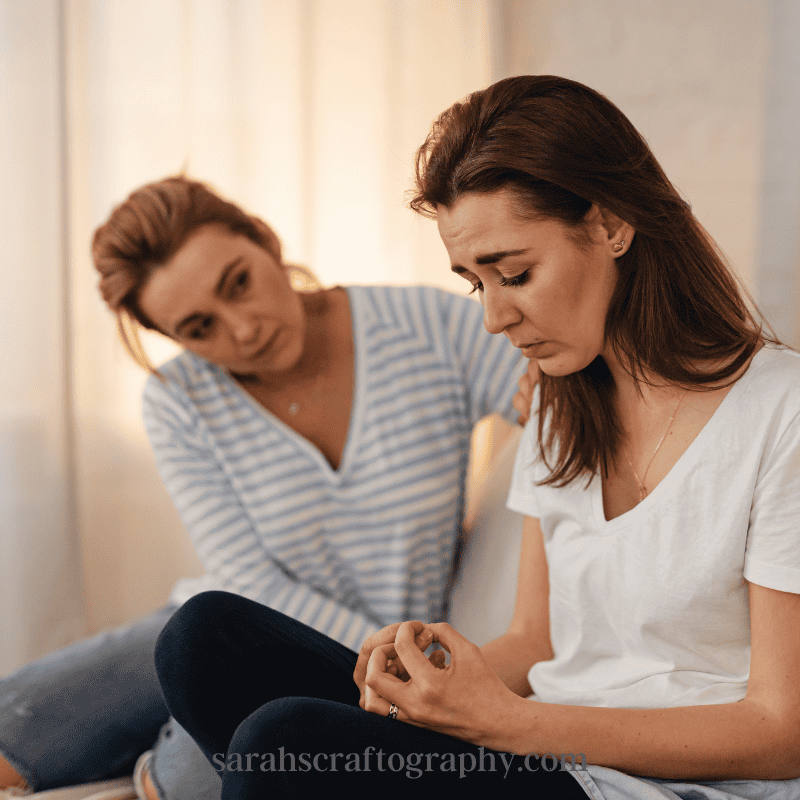
Emotional and Psychological Factors
Fear is one reason leaving can feel impossible.
An abusive partner may threaten violence, take away support, or make the unknown feel more frightening than staying.
Love can complicate things too.
A survivor may remember the good moments and still hope the person she loves will change.
Over time, constant criticism and control can also damage her confidence.
She may begin to believe the terrible things she has been told about herself.
Money, children, housing, and custody concerns can add even more weight to an already frightening decision.
Cultural or family expectations may create another layer of pressure.
Someone who has been taught that keeping a family together is her responsibility may carry enormous guilt about leaving.
All of these pieces can exist at the same time.
Understanding them helps us respond with compassion instead of assuming a survivor simply refuses to leave.

Societal Pressure Can Make Leaving Harder
Outside pressure can become another reason a survivor feels trapped.
Family expectations, fear of gossip, religious beliefs, or the stigma of divorce may all affect the decision.
Some women are terrified of being judged as a bad wife or mother.
Others have spent years trying to make everything look normal because admitting what is happening feels embarrassing or frightening.
That pressure can be especially strong when everyone else sees what appears to be a happy family.
A survivor may also have limited information about abuse, legal protections, or the help available in her community.
Judgment only adds another burden.
Compassion, practical help, and a safe person to talk to can make it easier for someone to begin seeing a path forward.
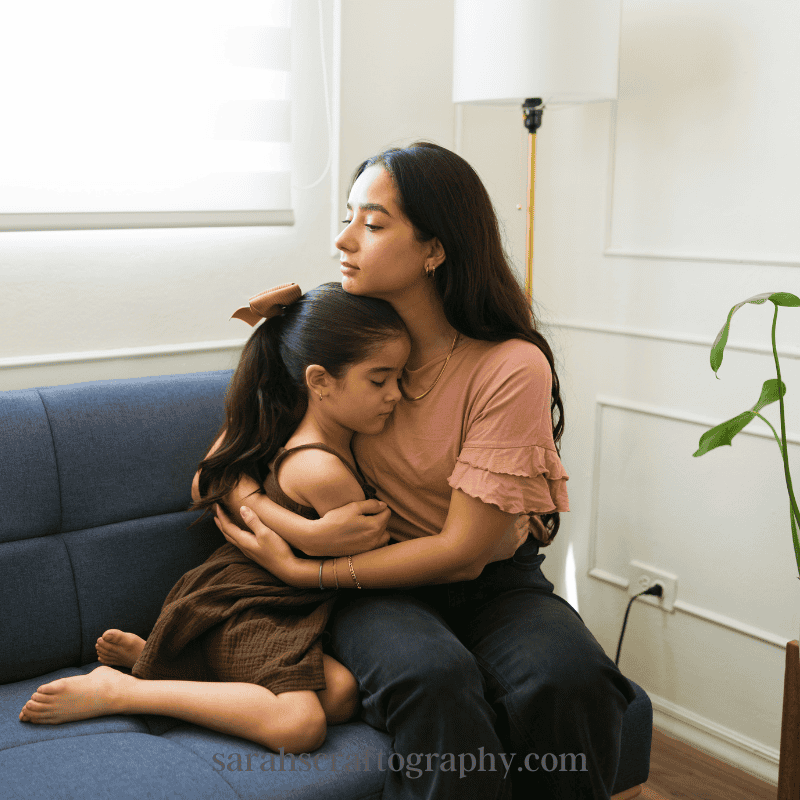
The Practical Side of Starting Over
Leaving also requires practical things that are easy to overlook from the outside.
A survivor may need money for rent, a security deposit, utilities, food, transportation, and childcare.
Housing can become an immediate concern when there is nowhere safe to go.
Children make those decisions even more complicated.
Custody concerns, school routines, familiar belongings, and fear of retaliation can all affect what happens next.
Isolation may mean there is no friend or relative waiting with a spare bedroom.
Even when someone wants to help, they may not understand everything involved in safely leaving.
Rebuilding takes resources as well as courage.
Having practical support can make an enormous difference when someone is trying to create a safe life from the ground up.
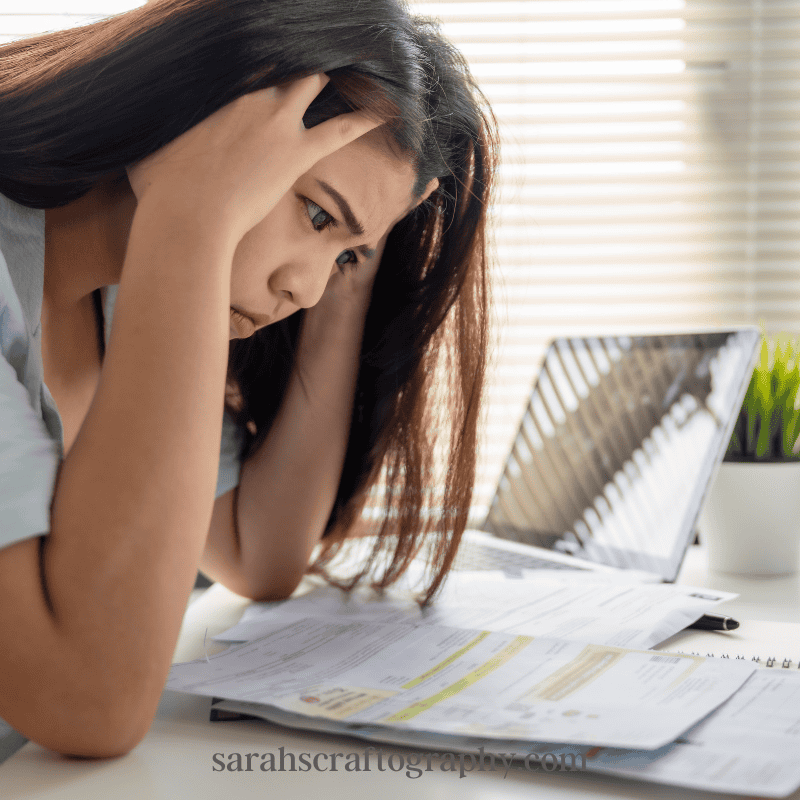
Abuse Changes the Way You See Your Choices
Living with abuse can make it difficult to think beyond the next argument, threat, or change in mood.
Survival often becomes the priority.
Manipulation and control can cause a person to question her own judgment.
Moments of kindness may bring hope that things are finally getting better.
Isolation can make it harder to hear another perspective.
After enough criticism, a survivor may stop trusting herself altogether.
That does not mean she is incapable of making decisions.
It means abuse can affect the circumstances in which those decisions are being made.
Support should help her regain choices, safety, and confidence rather than taking more control away from her.
Choosing Compassion Instead of Judgment
Understanding why victims stay in abuse starts with choosing compassion over judgment.
For the survivor reading this, please remember that needing help does not make you weak, and having a complicated story does not make your life any less worth protecting.
For the friend, family member, neighbor, or church member who loves someone living through abuse, be a safe person instead of another voice telling her what she should have done.
Listen.
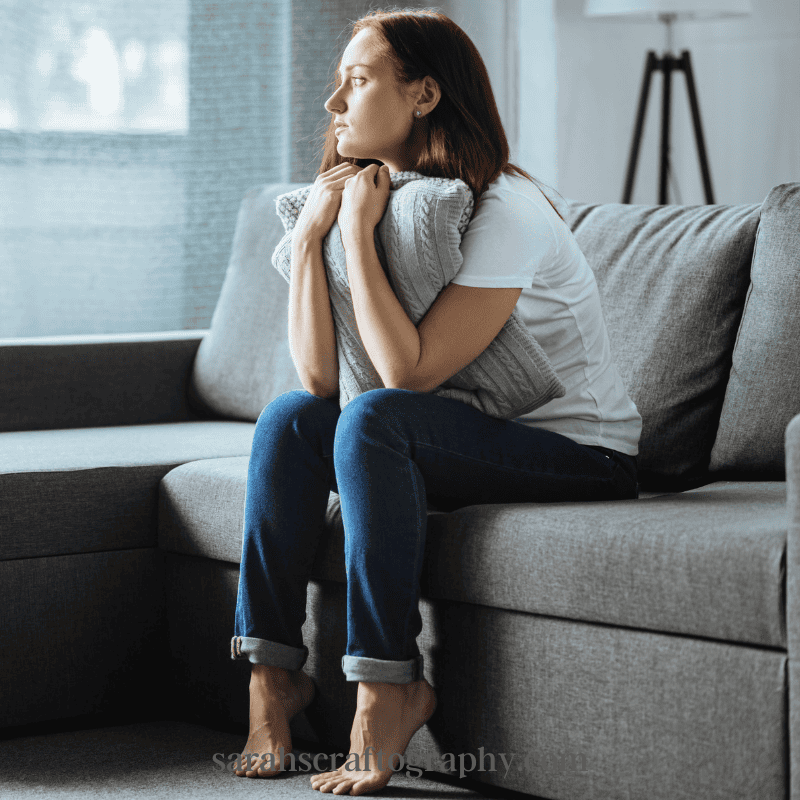
Offer help when you can.
Leave the door open for the day she is ready to walk through it.
If this post helped you understand why victims stay in abuse a little differently, please share it.
Someone in your life may need the reminder that leaving is rarely as simple as walking out the door.
I would also love to hear from you in the comments, whether this changed the way you think about domestic violence or you have something you feel safe adding to the conversation.
Please like and share this post so we can keep replacing judgment with understanding and help these conversations reach the people who need them.
For more honest conversations about domestic violence, healing, faith, family, and rebuilding, subscribe to my email list and stay connected with Sarah's Craftography.
Awareness matters, but what we do with that awareness matters even more.
Let's become the change by replacing judgment with compassion, silence with support, and "Why didn't you leave?" with "How can I help?"
For More Information
For more information, you can check out these trusted resources:
National Domestic Violence Hotline: Why People Stay in Abusive Relationships

Leave a Reply